
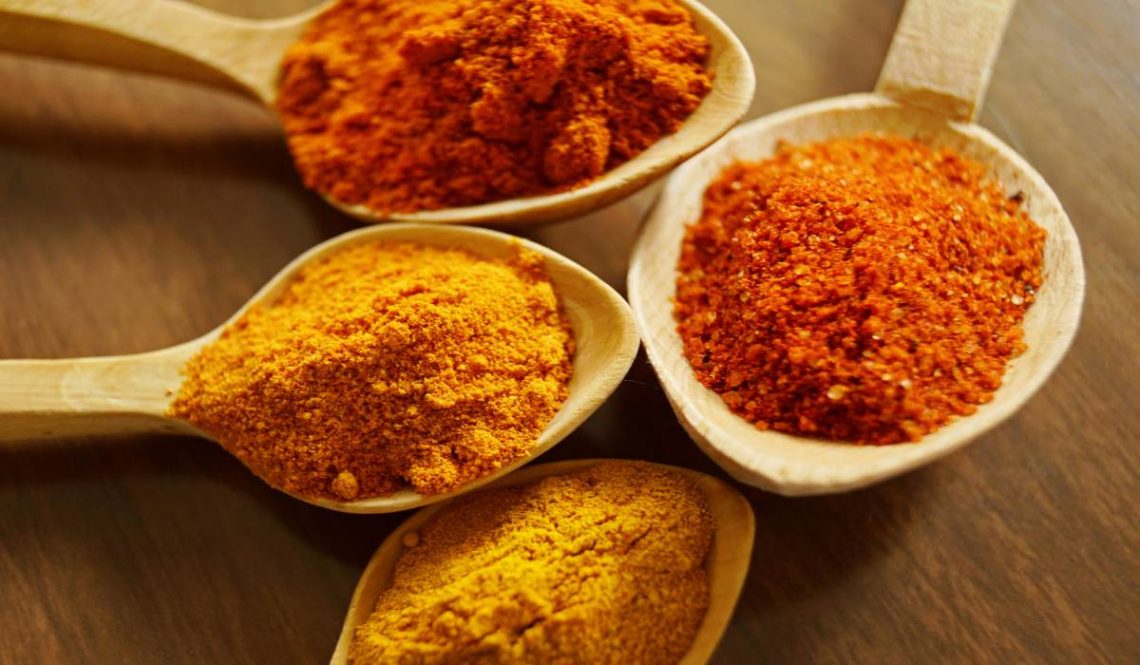
Indian Spices: 20 Popular Spices, Their Origins, Uses and History
Black pepper from Kerala, cardamom from the Western Ghats, saffron from Kashmir and cumin from Rajasthan: India’s relationship with spices is closely connected to its geography, agriculture, food traditions and trading history.
For centuries, Indian spices have travelled across oceans and continents. They attracted Arab merchants, became valuable commodities in Roman markets and eventually influenced European voyages to Asia. Some spices used in Indian kitchens originated in the country, while others arrived through international trade and became part of regional food cultures over generations.
Today, Indian spices are recognised for their distinctive flavours, aromas and variety. They are used in everyday cooking, traditional preparations, religious ceremonies and festive celebrations. India is also a major producer and exporter of several spices, with different states specialising in different varieties.
But where do these spices actually come from? Which Indian regions grow them? And how did they become such an important part of the country’s history?
Here’s a closer look at 20 popular Indian spices, their origins, traditional uses and the history of India’s spice trade.
20 Popular Indian Spices and Their Origins
Indian cuisine uses a wide range of spices, each contributing a different flavour, aroma, colour or texture. Some are cultivated extensively within India, while others have international origins but have become essential to Indian cooking.
The following table provides a quick reference to some of the most familiar spices used across the country.
| Spice | Origin | Major Growing Regions in India | Traditional Uses |
|---|---|---|---|
| Black pepper | Western Ghats, South India | Kerala, Karnataka, Tamil Nadu | Curries, spice blends, traditional preparations |
| Green cardamom | Western Ghats, South India | Kerala, Karnataka, Tamil Nadu | Sweets, tea, desserts and aromatic dishes |
| Turmeric | South Asian origins | Telangana, Andhra Pradesh, Maharashtra, Tamil Nadu | Cooking, religious ceremonies and traditional preparations |
| Ginger | Tropical Asian origins | Kerala, Karnataka, Assam, Meghalaya, Sikkim | Tea, curries, chutneys and traditional preparations |
| Cumin | Mediterranean and West Asian region | Rajasthan, Gujarat | Curries, spice blends and tempering |
| Coriander | Mediterranean and West Asian region | Madhya Pradesh, Rajasthan, Gujarat | Curries, chutneys, spice blends |
| Red chilli | Americas | Andhra Pradesh, Telangana, Karnataka, Maharashtra | Curries, pickles, spice powders |
| Saffron | Ancient Mediterranean and West Asian cultivation; precise origin debated | Jammu and Kashmir | Festive dishes, beverages and ceremonial preparations |
| Mustard | Eurasian origins, varying by species | Rajasthan, Uttar Pradesh, Madhya Pradesh, Bihar | Tempering, pickles and cooking oil |
| Fenugreek | Mediterranean and West Asian region | Rajasthan, Gujarat, Madhya Pradesh | Curries, spice blends and leafy preparations |
| Cloves | Maluku Islands, Indonesia | Tamil Nadu, Kerala, Karnataka | Spice blends, sweets and aromatic preparations |
| Cinnamon | Sri Lanka, for true cinnamon | Kerala, Tamil Nadu | Sweets, beverages and aromatic dishes |
| Nutmeg | Maluku Islands, Indonesia | Kerala, Tamil Nadu | Desserts, spice blends and festive food |
| Fennel | Mediterranean region | Rajasthan, Gujarat, Uttar Pradesh | Spice blends, pickles and after-meal mouth fresheners |
| Asafoetida (Hing) | Central Asian region | Cultivated in limited quantities in India; traditionally imported | Lentils, vegetable dishes and tempering |
| Ajwain | Eastern Mediterranean and West Asian region | Rajasthan, Gujarat, Madhya Pradesh | Savoury snacks, breads and traditional preparations |
| Fenugreek leaves (Kasuri Methi) | Mediterranean and West Asian region | Rajasthan, Gujarat, Madhya Pradesh | Curries, vegetable dishes and spice mixtures |
| Long pepper (Pippali) | Indian subcontinent and Southeast Asia | Assam, West Bengal, parts of southern India | Traditional preparations and regional spice mixtures |
| Curry leaves | Indian subcontinent | Tamil Nadu, Kerala, Karnataka, Andhra Pradesh | Tempering, chutneys and regional dishes |
| Kokum | Western coastal India | Maharashtra, Goa, Karnataka | Regional curries, beverages and souring preparations |
Which Spices Actually Originated in India?
One common misconception about Indian spices is that every spice used in the country’s cuisine originated here. In reality, India’s spice culture developed through a combination of indigenous crops, regional cultivation and international exchange.
Several spices have particularly strong connections with the Indian subcontinent.
1. Black Pepper
Black pepper is native to the Western Ghats of South India, particularly the humid tropical regions of present-day Kerala and Karnataka.
It became one of India’s most valuable historical exports. Pepper from the Malabar Coast was traded with merchants from Arabia, the Mediterranean and other parts of the world.
Its importance was so significant that ancient Roman traders exchanged gold for pepper. The spice continues to be widely cultivated and used in Indian cooking.
2. Green Cardamom
Small or green cardamom is another spice native to the Western Ghats.
Kerala, Karnataka and Tamil Nadu are important growing regions. Cardamom’s distinctive fragrance made it a valued commodity in historical trade networks.
In Indian food culture, it is used in sweets, tea, desserts, rice dishes and traditional preparations.
3. Turmeric
Turmeric has a long history of cultivation and use in South Asia. Its bright yellow colour makes it one of the most recognisable ingredients in Indian kitchens.
Apart from its culinary role, turmeric is associated with religious and cultural traditions. It is used in wedding ceremonies, festive preparations and rituals in several Indian communities.
4. Curry Leaves
Curry leaves are native to the Indian subcontinent and are widely used in South Indian and western coastal cuisines.
They are commonly added to hot oil during tempering, releasing their distinctive aroma. They also feature in chutneys, vegetable preparations and regional spice mixtures.
5. Kokum
Kokum is closely associated with India’s western coastal belt, especially Maharashtra, Goa and Karnataka.
Its dried fruit is used as a souring ingredient in regional cooking. Kokum is also used to prepare refreshing summer beverages.
These examples demonstrate how India’s diverse geography has contributed to the development of its own distinctive spice-growing traditions.
Which Popular Spices Came to India Through Trade?
India’s cuisine has evolved through centuries of cultural exchange. Some ingredients that are now considered essential to Indian cooking actually travelled here from other parts of the world.
Red Chillies: From the Americas to Indian Kitchens
Red chillies are among the most striking examples of how international trade changed Indian cuisine.
Native to the Americas, chillies reached India through Portuguese maritime connections during the sixteenth century. They gradually became popular across different regions because of their strong flavour and adaptability to local growing conditions.
Today, India grows several well-known varieties, including Guntur Sannam chilli from Andhra Pradesh and Byadgi chilli from Karnataka.
Cloves: From Indonesia to Indian Spice Markets
Cloves originate from the Maluku Islands of Indonesia, historically known as the Spice Islands.
They became valuable commodities in international trade because of their strong aroma and use in food and perfumery.
Although cloves did not originate in India, they became an important ingredient in Indian spice blends, festive dishes and traditional preparations.
Cinnamon: A Sri Lankan Connection
True cinnamon, scientifically known as Cinnamomum verum, is native to Sri Lanka.
It has a long history as a valuable aromatic commodity. Its distinctive fragrance made it popular in trade networks connecting South Asia, the Middle East and Europe.
Today, cinnamon is used in Indian sweets, beverages and several regional spice blends. Related cassia varieties are also used in cooking and are often sold under the broader cinnamon category.
Nutmeg: The Spice of the Maluku Islands
Nutmeg and mace come from the same tropical tree, which is native to Indonesia’s Maluku Islands.
The nutmeg is the seed, while mace is the dried covering around it. Both became important commodities in the international spice trade.
In India, nutmeg is grown mainly in parts of Kerala and Tamil Nadu and is used in sweets, spice blends and aromatic preparations.
These examples show that Indian cuisine is not static. It has continuously absorbed ingredients from other cultures and adapted them to regional tastes.
India’s Major Spice-Growing Regions
India’s varied climate and soil conditions support the cultivation of several tropical, subtropical and temperate spices.
Some states specialise in high-value plantation spices, while others are known for seed spices and chilli production.
Kerala: The Land of Black Pepper and Cardamom
Kerala has a long association with India’s spice trade. Its humid climate and mountainous terrain support the cultivation of black pepper, small cardamom, ginger and other tropical spices.
The Malabar Coast was historically one of the most important sources of black pepper for international markets. Ports along this coastline connected Indian producers with merchants from West Asia, Africa and Europe.
Karnataka: A Major Centre for Pepper and Cardamom
Karnataka is an important producer of black pepper, cardamom and other spices.
The Western Ghats provide suitable growing conditions for plantation crops. The state’s spice-growing areas are also associated with varieties such as Byadgi chilli.
Rajasthan: India’s Important Seed-Spice Region
Rajasthan is particularly known for cumin, coriander, fennel and fenugreek.
Its dry climate and agricultural conditions support the cultivation of several seed spices. Cumin from Rajasthan is especially important in India’s domestic spice trade and export sector.
Gujarat: A Major Producer of Cumin and Fennel
Gujarat is another important seed-spice-producing state.
Cumin, coriander and fennel are grown across several agricultural regions. These spices are used extensively in Indian food and are also important commercial crops.
Andhra Pradesh and Telangana: Famous for Chilli and Turmeric
Andhra Pradesh and Telangana are associated with chilli and turmeric cultivation.
Guntur in Andhra Pradesh is particularly famous for its chilli trade. The region produces chilli varieties that are sold across India and international markets.
Jammu and Kashmir: The Home of Indian Saffron
Kashmir is known for saffron cultivation, particularly in the Pampore region.
Saffron is obtained from the dried stigmas of the Crocus sativus flower. Since each flower produces only a small quantity, harvesting and processing require considerable care.
Kashmiri saffron is valued for its colour, aroma and use in traditional food and beverages.
The History of Indian Spices: From Ancient Trade to Global Markets
The history of Indian spices is closely connected with the development of international trade. Long before modern shipping and global supply chains, merchants travelled across the Indian Ocean carrying pepper, cardamom, ginger and other valuable commodities.
India’s location along important maritime routes made its western and southern ports significant trading centres.
1. Ancient India and the Early Spice Trade
The use and exchange of aromatic plants and spices in the Indian subcontinent go back many centuries.
However, the earliest evidence differs from spice to spice. Archaeological discoveries, ancient texts and records from foreign traders help historians understand when particular ingredients were cultivated and exchanged.
The Malabar Coast became particularly important because of its black pepper production.
Ancient ports such as Muziris, associated with the present-day Kerala coast, connected Indian traders with markets in the Mediterranean and West Asia.
2. The Arab and Persian Spice Trade
Arab and Persian merchants played a major role in connecting India’s spice-producing regions with markets across the Arabian Peninsula, Persian Gulf and Red Sea.
The Indian Ocean trading network depended heavily on seasonal monsoon winds. Merchants and sailors used their knowledge of these wind patterns to plan journeys between Indian ports and other trading centres.
Spices were transported alongside textiles, precious stones, metals and other commodities.
These networks helped establish long-standing commercial and cultural relationships between India and the wider Indian Ocean world.
3. Indian Spices and the Roman Empire
Black pepper became especially popular in Roman markets.
The first-century text Periplus of the Erythraean Sea describes commercial activity involving Indian ports and the exchange of goods across the Red Sea and Indian Ocean.
Muziris was one of the important ports associated with this trade. Roman merchants brought gold and other goods to India in exchange for pepper and other commodities.
The demand was significant enough to attract criticism from Roman writers, who complained about the wealth flowing towards eastern trading partners.
This exchange is one of the best-documented examples of the importance of Indian spices in ancient international commerce.
4. The Portuguese Arrival and the Search for Direct Sea Routes
By the fifteenth century, European merchants were keen to gain more direct access to Asian spice markets.
Spices passed through multiple trading networks before reaching European consumers, increasing their cost. European powers wanted to reduce their dependence on intermediaries and gain greater control over trade.
In 1498, Portuguese explorer Vasco da Gama reached Calicut, present-day Kozhikode, on the Malabar Coast.
His arrival marked a major turning point in European maritime involvement in India.
The Portuguese established trading settlements and sought to control important maritime routes. Later, the Dutch and English entered the competition, establishing their own commercial networks.
The spice trade became one of the important commercial motivations behind European expansion into Asia.
Why Were Indian Spices So Valuable in the Past?
Indian spices were not simply everyday kitchen ingredients in international markets. For centuries, many were expensive commodities that travelled long distances before reaching consumers.
Several factors contributed to their value.
Limited availability: Some spices grew only in specific tropical or subtropical regions. Their limited supply in distant markets increased their value.
High demand: Pepper, cardamom and other aromatic spices were prized by wealthy households and merchants across different regions.
Long-distance transportation: Spices travelled through several trading centres, ships and land routes. Transportation, storage and intermediary costs added to their final price.
Culinary and aromatic uses: Spices were used in food, perfumes, traditional preparations and other products, creating demand beyond cooking.
Commercial competition: Merchants and trading powers competed to control supply routes and profitable markets, particularly during the medieval and early modern periods.
Black pepper is a particularly important example. Its trade helped connect the Malabar Coast with Mediterranean markets and became a significant part of the commercial relationship between India and the Roman world.
How Indian Spices Became Part of Everyday Culture
Spices are deeply embedded in Indian life. Their importance is reflected not only in food but also in religious customs, family traditions and regional identities.
Spices in Indian Cuisine
Every Indian region has developed its own way of using spices.
North Indian cooking commonly uses cumin, coriander, turmeric, cardamom and aromatic spice blends. South Indian cuisines often feature black pepper, mustard seeds, curry leaves and dried red chillies.
Eastern Indian food traditions make extensive use of mustard and other aromatic seeds, while western Indian cuisines incorporate cumin, coriander, fennel and chilli in different combinations.
These regional differences demonstrate how local agriculture and food culture have influenced the use of spices across India.
Spices in Festivals and Religious Ceremonies
Certain spices and aromatic ingredients also have symbolic importance.
Turmeric is associated with purity and auspiciousness and is commonly used during weddings and religious ceremonies.
Saffron is used in selected religious offerings and traditional festive preparations. Cardamom and cloves are often included in sweets and beverages served during celebrations.
The use of spices in these settings reflects their cultural value beyond everyday cooking.
Spices in Traditional Indian Knowledge
Spices such as ginger, turmeric, black pepper, cumin and coriander have long featured in Ayurveda and other traditional systems of knowledge.
They were incorporated into traditional preparations based on historical beliefs about food, digestion and well-being.
These practices are an important part of India’s cultural heritage. However, traditional uses should be understood separately from modern clinical evidence, and spices should not be treated as substitutes for medical treatment.
How to Choose and Store Indian Spices
India’s spice market includes whole spices, ground powders, blended seasonings and speciality regional varieties. Understanding a few basic differences can help consumers make more informed choices.
Whole Spices vs Ground Spices
Whole spices generally retain their aroma for longer because their essential oils are less exposed to air and moisture.
Ground spices are convenient to use, but their flavour and aroma can decline more quickly after processing.
For consumers who use spices regularly, buying smaller quantities of ground spices or grinding whole spices when needed can help preserve their flavour.
What to Check When Buying Spices
- Packaging: Prefer sealed packaging that protects spices from moisture and contamination.
- Aroma: Fresh spices generally have a recognisable, characteristic aroma.
- Appearance: Avoid products showing signs of moisture, insects or unusual discolouration.
- Labelling: Check the ingredient list, manufacturing details, batch number and best-before date.
- Origin: For speciality varieties such as Kashmir Saffron or Guntur Sannam Chilli, check the stated geographical origin and applicable authenticity certification.
How to Store Spices
Store spices in airtight containers in a cool, dry place, away from direct sunlight and heat.
Keep whole spices separate from strong-smelling ingredients and avoid using wet spoons in spice containers. Ground spices generally need more frequent replacement than whole spices because their aroma fades faster.
For high-value spices such as saffron, careful storage in a sealed container is particularly important.
India’s Spice Industry Today
India’s relationship with spices continues through a large agricultural, processing and export sector.
The country produces a wide range of spices, including black pepper, cardamom, turmeric, ginger, cumin, coriander, chilli, fennel and fenugreek.
The Spices Board of India supports the development and promotion of the sector, including export promotion, quality standards and industry development.
Indian spices are exported to markets across the Middle East, Europe, North America and Asia. Their international demand reflects the popularity of Indian cuisine as well as their use in food processing and other industries.
For farmers and businesses, the spice sector connects cultivation, harvesting, grading, processing, packaging and international distribution.
It also shows how a trade that began centuries ago continues to be economically important in modern India.
The Lasting Legacy of Indian Spices
Indian spices tell a story that goes far beyond food. They reflect the country’s agricultural diversity, the growth of ancient trading ports, centuries of maritime exchange and the influence of different cultures on Indian cuisine.
Some spices, such as black pepper and small cardamom, have deep roots in India’s own landscape. Others, including chillies, cloves and nutmeg, arrived through international connections and eventually became part of everyday Indian life.
From the spice markets of Kerala to the saffron fields of Kashmir, these ingredients continue to connect local communities with global markets.
Their history is a reminder that Indian food culture has always been shaped by both homegrown traditions and the exchange of ideas, ingredients and trade across borders.
Frequently Asked Questions About Indian Spices
1. What are the most popular Indian spices?
Some of the most popular spices used in India include turmeric, cumin, coriander, black pepper, cardamom, ginger, mustard seeds, red chillies, cloves, cinnamon and saffron.
2. Which spices are native to India?
Black pepper, small cardamom, curry leaves and kokum have strong native connections to the Indian subcontinent. Turmeric also has a long history of cultivation and use in South Asia.
3. Which Indian state is famous for spices?
Kerala is particularly famous for black pepper and cardamom. Rajasthan and Gujarat are known for cumin, coriander and other seed spices, while Kashmir is associated with saffron cultivation.
4. Where does black pepper originate?
Black pepper is native to the Western Ghats of South India. Kerala’s Malabar Coast became one of the world’s most important historical pepper-producing and trading regions.
5. Did red chillies originate in India?
No. Red chillies originated in the Americas and reached India through Portuguese maritime connections during the sixteenth century. They gradually became an essential part of Indian regional cuisines.
6. Why were Indian spices important in ancient trade?
Indian spices were valuable because of their strong flavours, aromas and demand in distant markets. Black pepper from the Malabar Coast was particularly important in trade between India, Arabia and the Roman world.
7. Which Indian spices are exported internationally?
India exports several spices, including black pepper, cardamom, turmeric, ginger, cumin, coriander, chilli, fennel and fenugreek. The country is an important supplier to international food and spice markets.
8. What is the difference between cinnamon and cassia?
True cinnamon comes from Cinnamomum verum, which is native to Sri Lanka. Cassia refers to related species that are also sold and used as cinnamon in many markets. They differ in flavour, appearance and botanical origin.
9. Why is Kashmir saffron so expensive?
Saffron requires considerable manual labour because the delicate stigmas must be collected from individual flowers. Each flower produces only a small amount of saffron, making harvesting and processing labour-intensive.
10. How should Indian spices be stored?
Spices should be kept in airtight containers in a cool, dry place away from direct sunlight and moisture. Whole spices generally retain their aroma longer than ground spices.

Khushi Jha
I am Khushi Jha, a proud alumna of Delhi University with a degree in History and Political Science. My fascination with the events that have shaped our world drives me every day. Currently, I am pursuing my Master’s in History, diving even deeper into global dynamics and the incredible heritage of India. I firmly believe that India's rich heritage deserves wider recognition. I strive to bring its stories to the forefront, ensuring they are celebrated and acknowledged on a global stage. I have written extensively across various niches, including fashion, health, lifestyle, real estate, hospitality, amongst others. In my free time, you’ll find me immersed in books, both fiction and non-fiction, or simply enjoying some much-needed rest.

One Comment
Pingback: