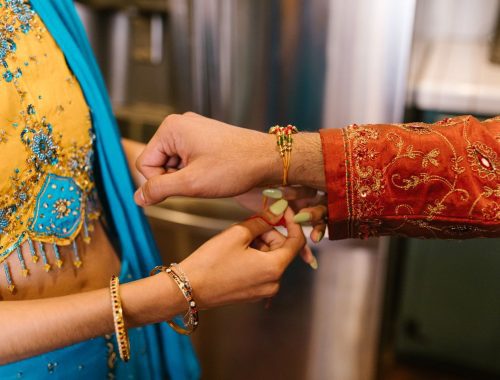
Why Does Goa Burn Giant Narakasura Effigies Before Diwali?
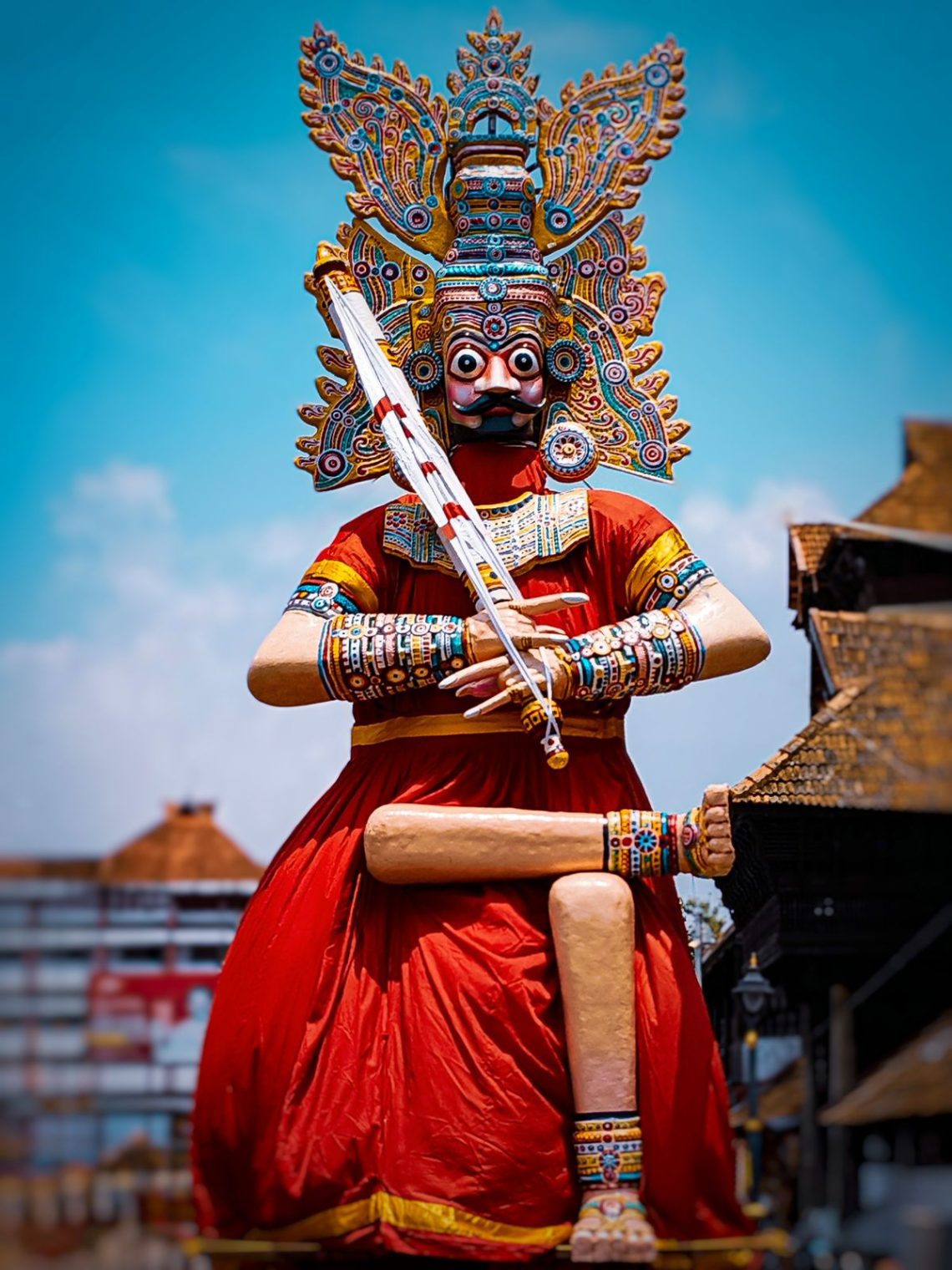
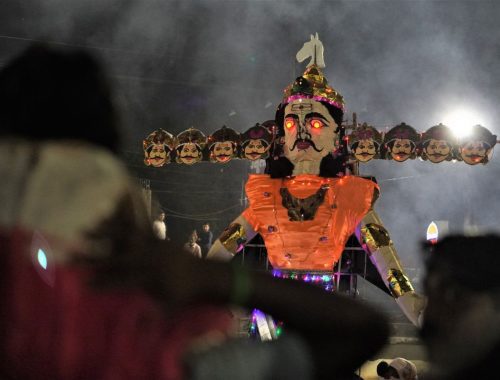
November 3, 2026In many parts of India, Diwali preparations mean cleaning homes, arranging sweets and lighting rows of lamps. In Goa, the night before Diwali can look very different. Communities build towering effigies of Narakasura, display them in neighbourhoods and burn them before dawn as part of Naraka Chaturdashi celebrations. The tradition turns a mythological story into a public community event, with residents taking part in making and displaying the figures. Who was Narakasura? According to Hindu mythology, Narakasura was a powerful ruler whose growing arrogance and tyranny brought suffering. In a widely told version of the story, Krishna, accompanied by Satyabhama,…
Why Does Bengal Worship Goddess Kali on Diwali Night Instead of Celebrating Only with Diyas?
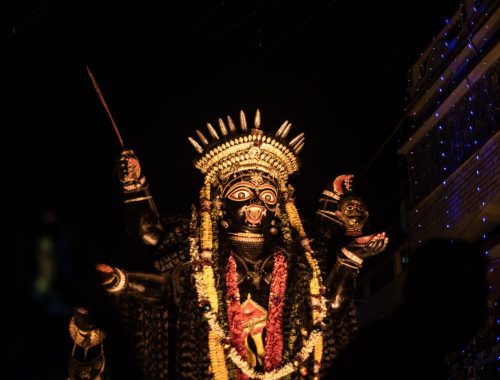
On the night when many Indian households light diyas and perform Lakshmi Puja, several parts of West Bengal turn their attention to another form of the divine: Goddess Kali. Known as Kali Puja or Shyama Puja, the observance takes place…
Traditional Clay Diyas Are Finding a Place in Diwali Markets Again: Meet the Potters Behind the Lamps
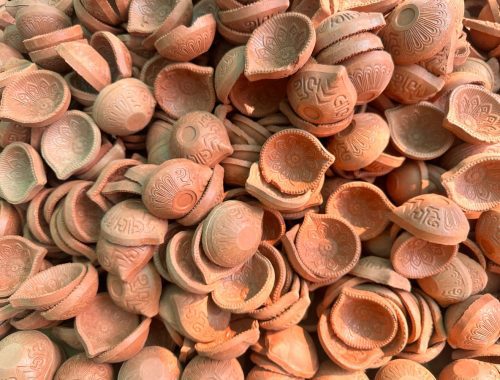
As Diwali approaches, rows of small clay lamps begin appearing in markets across India. Some are plain earthen diyas, while others are painted, decorated with patterns or shaped into elaborate designs. Behind these familiar festive objects are potter families who…
Vedic Period in India: Early and Later Vedic Age, Society, Economy and Religion
The Vedic Period is an important phase in the history of ancient India. Named after the Vedas, a collection of sacred texts composed and transmitted in early Sanskrit, this period offers insights into the development of religious ideas, social institutions,…
20 Must-Visit Caves in India for History and Culture Lovers
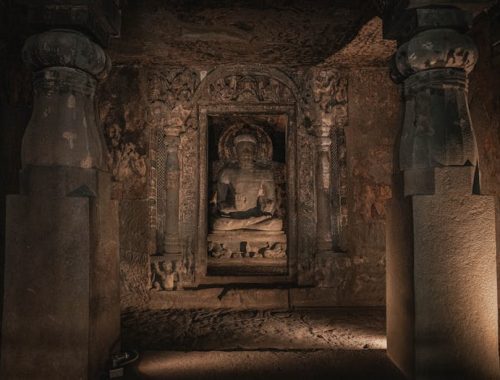
India’s caves tell stories that are difficult to discover in a conventional history book. Some preserve Buddhist murals painted more than a thousand years ago. Others contain temples carved directly into rock, inscriptions left by ancient rulers, or chambers where…
UNESCO World Heritage Sites in India: Complete 2026 Guide to All 45 Sites
India’s heritage stretches across thousands of years of history, from prehistoric rock shelters and ancient Buddhist monasteries to monumental temples, historic cities, forts, forests and mountain landscapes. Some of these places are recognised internationally for their exceptional cultural or natural…
Rajasthan Festivals in November and December 2026: Fairs, Folk Culture and Heritage Events
Rajasthan’s winter season brings a different kind of energy to its historic towns, desert landscapes and heritage sites. As temperatures become more comfortable for travel, the state hosts traditional fairs, folk performances, cultural festivals and events that celebrate its architecture,…
Jantar Mantar, Delhi: Everything You Should Know About
Jantar Mantar in New Delhi is an 18th-century astronomical observatory where large masonry structures were built to measure time and observe the movements of celestial bodies. Located near Connaught Place, it offers a look at how astronomers studied the sky…
Dussehra 2026: Date, History, Traditions and How India Celebrates Vijayadashami
Dussehra, also known as Vijayadashami or Dasara, is one of the most widely celebrated festivals in India. It marks a victory associated with the triumph of good over evil, but the way the festival is observed varies considerably across the…
All You Need to Know About India Gate, Delhi
India Gate is one of New Delhi’s most recognisable landmarks and one of the city’s most important war memorials. Standing at the eastern end of Kartavya Path, the 42-metre-high sandstone arch was designed by Sir Edwin Lutyens and completed in…
Tracing the Origins of Diwali: The Festival’s Roots in Indian History
Diwali, the Festival of Lights, is one of the most cherished and widely celebrated festivals in India. It symbolizes the triumph of good over evil and the victory of light over darkness. While the joyous celebrations, vibrant lights, and delicious…
Navratri 2026: Dates, Colours, Traditions and Celebrations Across India
Quick Answer Navratri 2026 begins on October 11 and ends on October 19. The popular nine-day colour sequence is Orange, White, Red, Royal Blue, Yellow, Green, Grey, Purple and Peacock Green. Vijayadashami, or Dussehra, falls on October 20, 2026. Navratri…
Independence Day: Lesser-Known Stories of India’s Freedom Movement
India’s freedom movement was far larger than the stories of a few famous leaders. Across the country, students, women, tribal communities, farmers, workers and local activists challenged British rule in different ways. Some of these stories are still less widely…
Raksha Bandhan 2026: Date, Muhurat, History, Rituals & Celebration Guide
Raksha Bandhan 2026 will be celebrated on Friday, 28 August 2026. The festival falls on Shravana Purnima, the full moon day of the Hindu month of Shravana. On this day, sisters tie a rakhi around their brothers’ wrists, pray for…
Spring Festivals of India: Celebrations that Welcome the Season of Renewal
Spring in India is a season of color, joy, and new beginnings. As winter fades away and flowers begin to bloom, communities across the country celebrate festivals that mark the arrival of the new season. Many of India’s most vibrant…
Gudi Padwa 2026: Date, Significance, Traditions, and How It Is Celebrated
Gudi Padwa marks the beginning of the Marathi New Year and is one of the most important festivals celebrated in Maharashtra and parts of Karnataka and Goa. The festival symbolizes new beginnings, prosperity, and the arrival of spring. In 2026,…
Exploring India through a new lens