Raksha Bandhan 2026: Date, Muhurat, History, Rituals & Celebration Guide
Raksha Bandhan 2026 will be celebrated on Friday, 28 August 2026. The festival falls on Shravana Purnima, the full moon day of the Hindu month of Shravana. On this day, sisters tie a rakhi around their brothers’ wrists, pray for their happiness and well-being, and receive blessings, gifts, and a promise of lifelong support. Today, many families celebrate Raksha Bandhan as a festival of mutual love, respect, and care among siblings.
Key Facts About Raksha Bandhan 2026
| Event | Details |
|---|---|
| Festival | Raksha Bandhan |
| Date | Friday, 28 August 2026 |
| Hindu Month | Shravana |
| Tithi | Purnima (Full Moon) |
| Main Ritual | Tying Rakhi |
| Celebrated In | India and Hindu communities worldwide |
| Significance | Celebrates the bond between siblings |
| Popular Names | Rakhi, Raksha Bandhan |
What is Raksha Bandhan?
Raksha Bandhan, commonly known as Rakhi, is one of India’s most cherished festivals. It celebrates the special relationship between siblings through a simple yet meaningful ceremony.
The word Raksha means protection, while Bandhan means bond or tie. Together, the festival represents a bond built on love, trust, respect, and lifelong support.
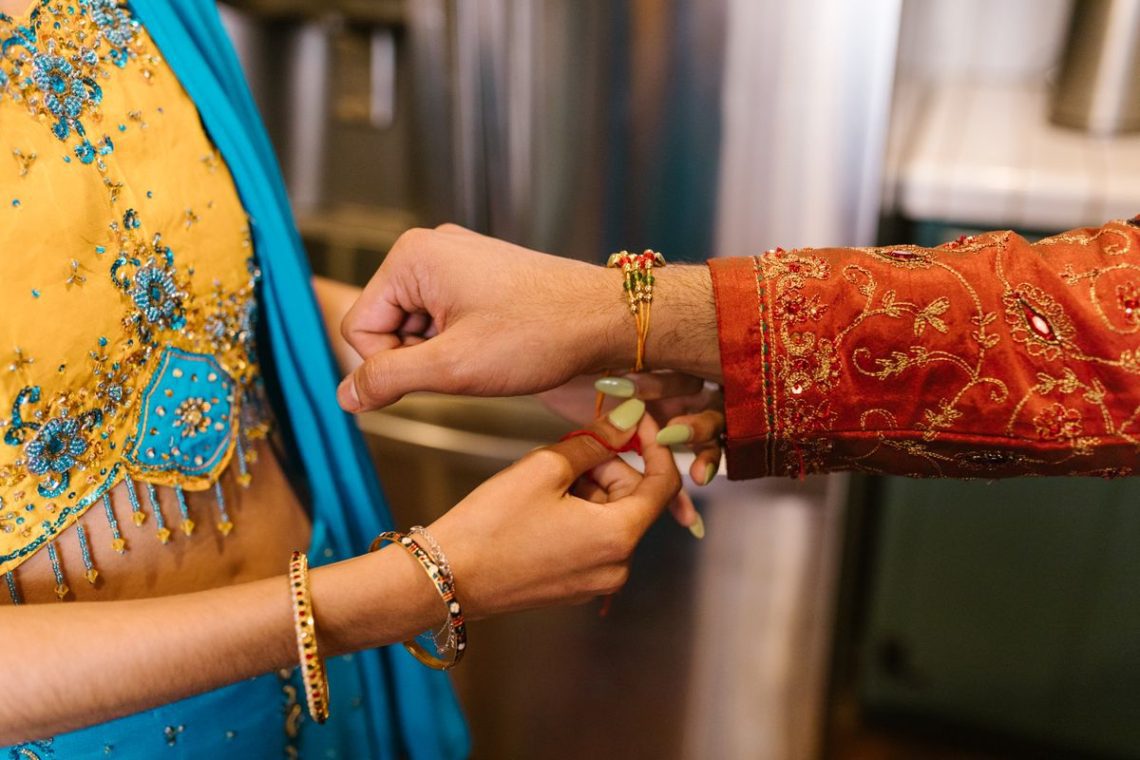
On Raksha Bandhan, sisters tie a decorative thread known as a rakhi on their brothers’ wrists. They pray for their brothers’ health, happiness, and success. Brothers traditionally offer gifts and promise to stand by their sisters whenever needed.
Over time, the meaning of the festival has grown beyond its traditional role. Today, many families celebrate Raksha Bandhan between sisters, cousins, close friends, and even members of the armed forces as a symbol of gratitude and affection.
When is Raksha Bandhan in 2026?
Raksha Bandhan 2026 Date
Raksha Bandhan in 2026 falls on Friday, 28 August 2026.
The festival is observed every year on Shravana Purnima, the full moon day in the Hindu month of Shravana.
Although the Purnima Tithi begins on the previous day, Raksha Bandhan is celebrated based on both the Purnima Tithi and the absence of Bhadra during the appropriate time for tying the rakhi.
According to widely followed Panchang calculations, Bhadra ends before sunrise on 28 August 2026, making the day suitable for Raksha Bandhan rituals.
Since Panchang calculations may vary slightly between regions and traditions, it is always advisable to check the local Panchang for your city if you wish to follow the most accurate muhurat.
Why is Raksha Bandhan Celebrated?
At its heart, Raksha Bandhan is about relationships.
The festival reminds families that love is strengthened through care, responsibility, and respect. While many associate Raksha Bandhan with a brother’s promise to protect his sister, modern celebrations place equal importance on mutual support.
Today, siblings celebrate the festival as a reminder that they will always stand by one another through every stage of life.
The festival also highlights values such as:
- Family unity
- Trust
- Gratitude
- Responsibility
- Love and affection
- Respect for lifelong relationships
The Meaning Behind the Rakhi
The rakhi itself is much more than a colourful thread.
In Hindu tradition, a sacred thread has long symbolised blessings, good fortune, and divine protection. When tied during Raksha Bandhan, it represents the emotional bond between siblings rather than simply a ritual.
Modern rakhis come in many designs, including:
- Traditional silk rakhis
- Beaded rakhis
- Rudraksha rakhis
- Silver rakhis
- Designer rakhis
- Handmade rakhis
- Eco-friendly seed rakhis
- Children’s cartoon-themed rakhis
Many families also prefer handmade rakhis because they add a personal touch to the celebration.
History of Raksha Bandhan
The exact historical origin of Raksha Bandhan remains uncertain. Instead of one single story, several legends and historical traditions are associated with the festival.
These stories have helped shape the cultural significance of Raksha Bandhan over centuries.
Krishna and Draupadi
One of the best-known legends comes from the Mahabharata.
According to popular tradition, Lord Krishna injured his finger while handling the Sudarshan Chakra. Seeing him bleed, Draupadi tore a strip from her sari and wrapped it around his finger.
Touched by her kindness, Krishna promised to protect her whenever she needed him.
Many people connect this promise with the spirit of Raksha Bandhan, although the Mahabharata itself does not explicitly describe this event as the Raksha Bandhan festival.
Indra and Indrani
Another story appears in ancient Hindu texts.
During a fierce battle between the Devas and Asuras, Lord Indra sought help from his guru Brihaspati. Indrani prepared a sacred thread after chanting protective prayers and tied it around Indra’s wrist before the battle.
The thread was believed to bring divine protection and victory.
This story shows that the concept of a Raksha Sutra existed long before Raksha Bandhan became a sibling festival.
Yama and Yamuna
According to another legend, the river goddess Yamuna tied a sacred thread around the wrist of her brother Yama, the god of death.
Yama was deeply moved by the gesture and granted her a boon. He declared that any brother who receives a sacred thread from his sister and honours the bond would be blessed with long life.
This story is widely shared during Raksha Bandhan celebrations in many parts of India.
Rani Karnavati and Emperor Humayun
One of the most frequently repeated historical stories connects Raksha Bandhan with Rani Karnavati of Mewar and the Mughal emperor Humayun.
According to popular tradition, the queen sent a rakhi to Humayun seeking military support against Bahadur Shah of Gujarat.
While this story has become part of popular culture, many historians point out that there is limited contemporary evidence supporting the event.
It is best understood as a traditional narrative rather than a fully verified historical fact.
How Raksha Bandhan Has Changed Over Time
Like many Indian festivals, Raksha Bandhan has evolved over generations.
Earlier celebrations focused mainly on brothers and sisters within the same household.
Today, people celebrate Raksha Bandhan in many different ways:
- Sisters tie rakhi to sisters.
- Cousins celebrate together.
- Friends exchange symbolic rakhis.
- Children tie rakhi to grandparents.
- People send rakhis to soldiers serving the country.
- Families living abroad celebrate through video calls.
- Many choose eco-friendly or handmade rakhis.
This changing tradition reflects the broader meaning of Raksha Bandhan—a celebration of relationships built on trust and care.
Why Raksha Bandhan Remains Relevant Today
In a fast-moving world, families often live in different cities or even different countries.
Raksha Bandhan provides an opportunity to reconnect.
Many siblings travel long distances to celebrate together. Others rely on courier services, online gift deliveries, or video calls to keep the tradition alive.
The festival also reminds people that support is not limited to financial help or physical protection. Listening, encouraging, and being present during difficult times are equally meaningful expressions of the Raksha Bandhan spirit.
Frequently Asked Questions
When is Raksha Bandhan in 2026?
Raksha Bandhan will be celebrated on Friday, 28 August 2026. It falls on Shravana Purnima, the full moon day of the Hindu month of Shravana.
What is the Shubh Muhurat for Raksha Bandhan 2026?
According to widely followed Panchang calculations, Bhadra ends before sunrise on 28 August 2026, making the day suitable for tying Rakhi. The exact Muhurat varies by city, so it is best to check your local Panchang.
Why is Raksha Bandhan celebrated?
Raksha Bandhan celebrates the bond between siblings. Sisters tie a rakhi on their brothers’ wrists as a symbol of love and prayers for their well-being, while brothers traditionally offer gifts and promise lifelong support. Today, the festival also represents mutual care, respect, and lifelong family bonds.
What is Bhadra, and why is it important on Raksha Bandhan?
Bhadra is a period in the Hindu calendar during which auspicious ceremonies are generally avoided. Since Rakhi is traditionally tied after Bhadra ends, many families check the Panchang before performing the ceremony.
What items are needed for the Raksha Bandhan puja?
A traditional Raksha Bandhan puja thali usually includes:
- Rakhi
- Kumkum or roli
- Rice (Akshat)
- Diya
- Incense sticks
- Flowers
- Sweets
- Coconut (optional)
Can sisters tie Rakhi to sisters?
Yes. Today, many families celebrate Raksha Bandhan between sisters, cousins, and close friends. The festival has evolved to represent love, trust, and mutual support among siblings and loved ones.
How is Raksha Bandhan celebrated?
The celebration usually begins with a family puja. Sisters perform an aarti, apply a tilak, tie the rakhi, offer sweets, and pray for their sibling’s happiness. Gifts are exchanged, and families enjoy festive meals together.
What is the significance of the Rakhi thread?
The rakhi symbolises affection, blessings, trust, and lifelong support. It represents the emotional bond shared between siblings and serves as a reminder of their commitment to care for one another.
Is Raksha Bandhan celebrated only in India?
No. Raksha Bandhan is celebrated by Indian communities around the world, including in the United States, Canada, the United Kingdom, Australia, Singapore, the UAE, and many other countries.
What are some eco-friendly ways to celebrate Raksha Bandhan?
You can celebrate sustainably by choosing handmade or seed rakhis, using reusable decorations, avoiding plastic gift wrapping, supporting local artisans, and gifting plants or meaningful experiences instead of disposable items.

Khushi Jha
I am Khushi Jha, a proud alumna of Delhi University with a degree in History and Political Science. My fascination with the events that have shaped our world drives me every day. Currently, I am pursuing my Master’s in History, diving even deeper into global dynamics and the incredible heritage of India. I firmly believe that India's rich heritage deserves wider recognition. I strive to bring its stories to the forefront, ensuring they are celebrated and acknowledged on a global stage. I have written extensively across various niches, including fashion, health, lifestyle, real estate, hospitality, amongst others. In my free time, you’ll find me immersed in books, both fiction and non-fiction, or simply enjoying some much-needed rest.


You May Also Like

Indian Railways Ensures Health and Safety at Maha Kumbh Mela with Medical Facilities for Pilgrims
Onam 2025: Date, History, Significance, Traditions, and Celebrations