
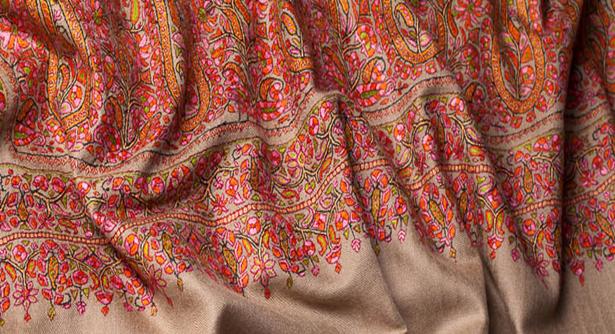
The Story Behind Kashmiri Pashmina: Craft, Culture and Identity
Pashmina is more than a fabric from Kashmir. It is a symbol of skill, history and identity. For centuries, Pashmina has been woven by hand in the Himalayan region and valued across the world for its softness, warmth, and rarity. The story of Pashmina is not just about fashion. It is about tradition, geography, community, and pride.
What Makes Pashmina Special?
Not all wool is Pashmina. True Pashmina comes from a rare type of wool collected from the Changthangi goat, which lives in the cold deserts of Ladakh at high altitudes, usually above 14,000 feet. The harsh climate helps the goat grow an extremely fine and warm undercoat.
This natural environment cannot be copied, which is one reason why real Pashmina is valuable.
How Pashmina Wool Is Collected
The wool is not pulled or shaved. It is collected gently during spring, when the goat naturally sheds its soft winter coat. This process is called “combing”, and it takes patience.
After combing, the wool goes through:
- Sorting
- Cleaning
- Spinning
- Weaving
- Finishing
Each step requires human skill. Machines cannot produce real Pashmina.
Pashmina Weaving: A Heritage Skill
The fine wool is spun into yarn by hand. Traditionally, this is done using a simple wooden spinning wheel called a “charkha.” The yarn is then woven on a handloom.
A single Pashmina shawl can take weeks or even months to complete, depending on the design and pattern.
The skill is passed down through families in Kashmir. Weaving is not just a job.
It is a craft that carries memory and pride.
Designs That Tell Stories
While some Pashmina shawls are plain, many carry detailed embroidery. One famous style is “Sozni embroidery.”
Sozni designs often include:
- Flowers
- Paisleys
- Vines
- Leaves
These patterns are inspired by Kashmir’s landscape; gardens, mountains, and changing seasons.
Every design connects the shawl to the culture and environment where it was created.
A Fabric With a Long History
Pashmina has been part of South Asian culture for hundreds of years. Historical records show that Pashmina shawls were worn by Mughal rulers, nobles and scholars. They were exchanged as gifts, passed down as heirlooms and displayed as symbols of status and refinement.
By the 18th and 19th centuries, Pashmina gained global attention. European courts admired the shawls, and they became fashionable in France and Britain.
Even today, an authentic Pashmina shawl is seen as an object of value, both cultural and personal.
Pashmina and Identity
For the people involved in weaving, Pashmina is not only a product. It is part of identity.
- Shepherds care for the animals.
- Spinners prepare the yarn.
- Weavers create the fabric.
- Embroiderers add finishing touches.
Many families depend on this craft. It represents livelihood, dignity and connection to land and tradition.
The Challenge of Imitation
Because of its popularity and price, many fake products are sold as “Pashmina.” These cheaper items are made using blends of wool, silk or synthetic fibers. They may look similar, but they are not the same.
To protect authenticity, India introduced the Geographical Indication (GI) tag, which helps identify true Kashmiri Pashmina made using traditional methods.
Why Pashmina Still Matters Today
In a world of fast manufacturing, Pashmina represents something rare — slow craftsmanship. Each shawl reflects time, attention and human touch.
People continue to choose Pashmina not only because it is soft or warm, but because it carries:
- History
- Skill
- Culture
- Story
Pashmina connects the past to the present.
Takeaway
Kashmiri Pashmina is more than a textile. It is a living tradition shaped by nature, craft, and generations of knowledge. When someone wears real Pashmina, they are also wearing a piece of history – one that began in the cold mountains of Ladakh and came to life through the skilled hands of Kashmir’s artisans.
(Featured image taken from pib.gov.in)

Khushi Jha
I am Khushi Jha, a proud alumna of Delhi University with a degree in History and Political Science. My fascination with the events that have shaped our world drives me every day. Currently, I am pursuing my Master’s in History, diving even deeper into global dynamics and the incredible heritage of India. I firmly believe that India's rich heritage deserves wider recognition. I strive to bring its stories to the forefront, ensuring they are celebrated and acknowledged on a global stage. I have written extensively across various niches, including fashion, health, lifestyle, real estate, hospitality, amongst others. In my free time, you’ll find me immersed in books, both fiction and non-fiction, or simply enjoying some much-needed rest.


You May Also Like
Dudhsagar Festavista 24: Celebrate Christmas in Goa with Music, Culture, and Fun
Is Telangana’s Name Fading From History? 600-Year-Old Rock Inscription That Needs Saving