Chhath Puja 2026: Dates, Rituals, History and Celebrations Across India
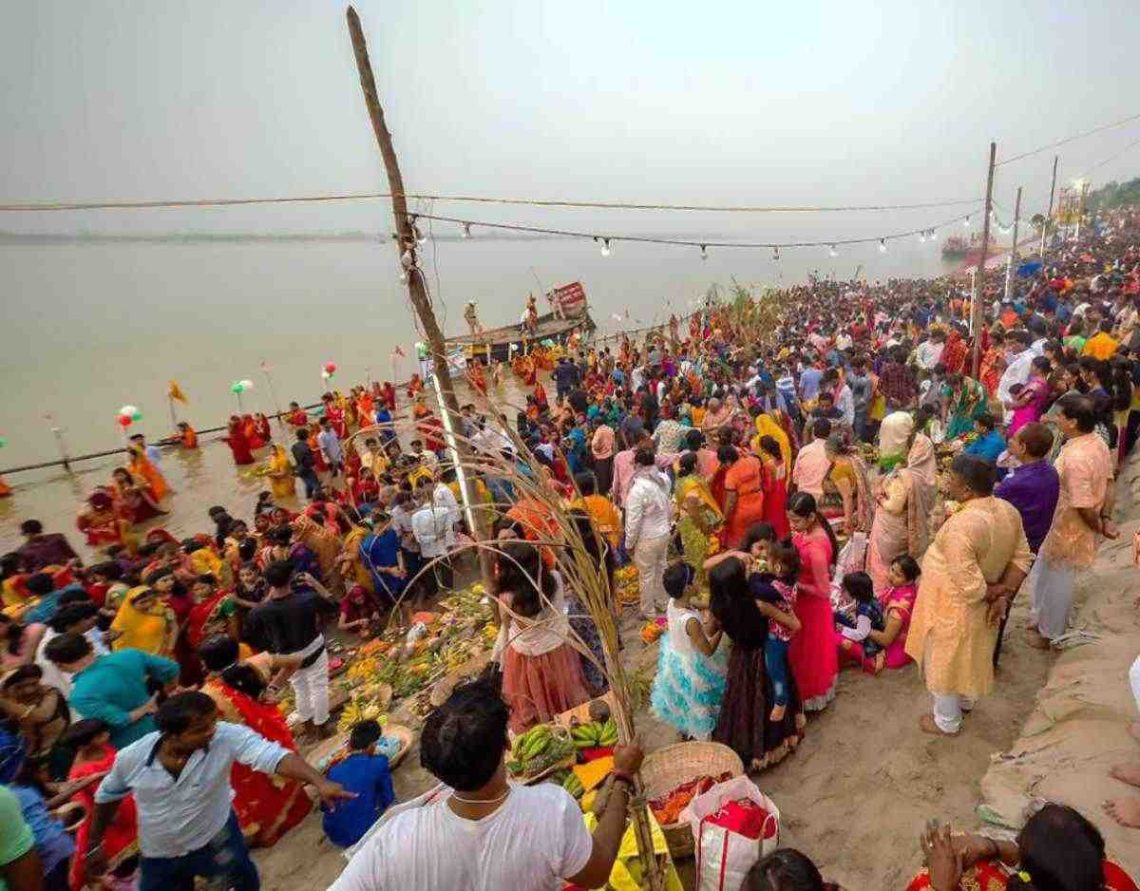
As the November sun begins to set, riverbanks and neighbourhood water bodies across India take on a special atmosphere. Devotees gather with bamboo baskets filled with fruits, sugarcane, coconuts and traditional sweets. Earthen lamps flicker along the ghats, folk songs fill the air, and families prepare to offer prayers to the setting Sun.
This is Chhath Puja, one of the most significant festivals in Bihar and the surrounding regions. Dedicated to the Sun God, Surya, and Chhathi Maiya, the festival is observed over four days through ritual bathing, fasting, offerings and prayers at sunrise and sunset.
Chhath is particularly important in Bihar, Jharkhand and eastern Uttar Pradesh, but its celebrations have spread to cities such as Delhi, Mumbai and Kolkata, as well as communities across the world.
If you are planning to observe the festival or want to understand its traditions, here is everything to know about Chhath Puja 2026, including its dates, four-day rituals, history, significance and celebrations across India.
Chhath Puja 2026: Dates and Four-Day Calendar
Chhath Puja will begin on November 13 and conclude on November 16, 2026. The festival follows the four days of Kartik Shukla Chaturthi to Saptami in the Hindu lunar calendar.
The main evening offering is made to the setting Sun on November 15, while the concluding morning offering is made to the rising Sun on November 16.
| Date | Day | Ritual | What Happens |
|---|---|---|---|
| November 13, 2026 | Friday | Nahay Khay | Devotees take a ritual bath, clean their homes and prepare a traditional meal |
| November 14, 2026 | Saturday | Lohanda and Kharna | Devotees observe a day-long fast and break it after evening prayers |
| November 15, 2026 | Sunday | Sandhya Arghya | Offerings are made to the setting Sun at rivers, ponds and designated ghats |
| November 16, 2026 | Monday | Usha Arghya and Parana | Devotees offer prayers to the rising Sun and conclude their fast |
Note: Sunrise and sunset timings vary by location. Check the local Panchang and official arrangements for your city before visiting a ghat.
What Is Chhath Puja and Why Is It Celebrated?
Chhath Puja is a Hindu festival dedicated to Surya, the Sun God, and Chhathi Maiya, who is associated with the protection and well-being of children and families.
The festival is observed to express gratitude to the Sun for sustaining life on Earth. Devotees seek blessings for good health, prosperity, longevity and the happiness of their families.
The Sun holds an important place in Hindu traditions as a source of energy, light and life. What makes Chhath particularly distinctive is that devotees worship both the setting Sun and the rising Sun. The evening offering expresses gratitude, while the morning offering marks renewal and the beginning of a new day.
Chhath is also known as Surya Shashthi, Dala Chhath and Chhathi. Although Kartik Chhath is the most widely celebrated observance, Chaiti Chhath is also observed during the Chaitra month.
History and Significance of Chhath Puja
Chhath Puja is deeply connected with ancient traditions of Sun worship in the Indian subcontinent. Its practices reflect reverence for nature, particularly the Sun and water, which are essential to sustaining life.
The festival is often associated with Vedic traditions of Surya worship. Over generations, regional customs, folk traditions and devotional practices have shaped the way Chhath is observed today.
Several stories from Hindu mythology are also associated with the festival. One popular tradition connects Chhathi Maiya with the protection of children and the blessing of families. Other accounts associate Sun worship with figures such as Karna from the Mahabharata, who is remembered for his devotion to Surya.
However, Chhath is not defined by a single story. Its significance lies in the combination of faith, discipline, gratitude and respect for nature.
The rituals also reflect a strong sense of community. Families prepare offerings together, local communities clean and decorate water bodies, and people gather at ghats to participate in the prayers.
The Four Days of Chhath Puja: Rituals Explained
Chhath Puja is observed over four days, with each day having its own rituals and significance. The preparations begin well before the main day, as devotees pay particular attention to cleanliness, food preparation and traditional practices.
Day 1: Nahay Khay – November 13, 2026
Nahay Khay marks the beginning of Chhath Puja. The name broadly translates to bathing and eating.
Devotees begin the day with a ritual bath, often in a river or another water body. Homes and cooking spaces are thoroughly cleaned as part of the preparations. Food is prepared according to customary rules, with an emphasis on cleanliness and purity.
A traditional Nahay Khay meal commonly includes:
- Kaddu ki sabzi (bottle gourd curry)
- Arwa chawal (plain rice)
- Chana dal
- Seasonal vegetables
The meal is usually prepared without onion or garlic. The person observing the fast eats a simple meal, and the day marks the beginning of the disciplined observance.
Day 2: Lohanda and Kharna – November 14, 2026
The second day is known as Lohanda and Kharna. Devotees observe a fast throughout the day and break it after sunset following prayers.
A traditional Kharna meal often includes jaggery-based kheer made with rice and milk, along with roti. Bananas and other fruits may also be offered.
After the evening prayers, the prasad is distributed among family members and others. Once Kharna is completed, devotees begin the more demanding period of fasting that continues through the evening and morning offerings.
The fast is traditionally observed without food or water and continues until the Usha Arghya ritual on the fourth day. Practices can vary between families, and the observance is traditionally undertaken with considerable discipline.
Day 3: Sandhya Arghya – November 15, 2026
Sandhya Arghya is one of the most important moments of Chhath Puja. On this day, devotees gather at rivers, ponds and designated water bodies to offer prayers to the setting Sun.
Families carry bamboo baskets and winnowing trays filled with traditional offerings. Devotees stand in the water and offer arghya, usually using water and other ritual offerings, as the Sun begins to set.
The ghats are decorated with earthen lamps, flowers and traditional arrangements. Chhath songs are sung by devotees, creating a distinctive atmosphere of devotion.
In some households, the Kosi ritual is also observed. A structure made with sugarcane sticks is decorated with lamps and offerings as part of the celebrations.
The evening is especially significant because Chhath is one of the few major Hindu observances in which the setting Sun receives such a central place of worship.
Day 4: Usha Arghya and Parana – November 16, 2026
The final day begins before sunrise, when devotees return to the ghats for Usha Arghya.
As the first rays of sunlight appear, prayers and offerings are made to the rising Sun. This marks the conclusion of the four-day festival.
After the morning offering, devotees perform Parana, the ritual of breaking the fast. Prasad is shared with family members, neighbours and visitors, bringing the observance to a close.
Thekua, fruits and other traditional offerings are distributed as people exchange greetings and seek blessings for the year ahead.
Also Read: 10 Surprising Indian Foods That Make Tourists Fall Head Over Heels
Traditional Chhath Puja Offerings and Foods
Food plays an important role in Chhath Puja, particularly because the offerings are prepared with great care and follow traditional customs.
The prasad is generally vegetarian and prepared without onion or garlic. Many families use traditional cooking methods and ingredients, with particular attention to cleanliness.
Some commonly prepared offerings include:
1. Thekua: One of the most recognisable Chhath offerings, thekua is a traditional sweet made with wheat flour, jaggery and ghee. It is shaped into small discs or patterned pieces and fried until crisp.
2. Kasar: A traditional sweet prepared using coarsely ground rice flour, jaggery and ghee.
3. Fruits: Bananas, apples, coconuts and seasonal fruits are arranged in bamboo baskets and offered during the prayers.
4. Sugarcane: Sugarcane is an important part of the offerings and is also used in certain ritual arrangements.
5. Rice and kheer: Rice-based preparations, including jaggery kheer, are associated with the Kharna meal.
6. Coconut: Whole coconuts are commonly included in the offerings and placed in the soop or bamboo baskets.
The offerings are arranged in traditional bamboo containers called soop and daura. These baskets are carried to the ghats during Sandhya Arghya and Usha Arghya.
How Chhath Puja Is Celebrated Across India
Although Chhath Puja has its strongest cultural roots in Bihar and neighbouring regions, the festival is now observed across several Indian states. Migration and the spread of regional communities have helped carry its traditions to major cities.
1. Bihar: The Heart of Chhath Celebrations
Bihar is widely regarded as the cultural centre of Chhath Puja. Cities such as Patna, Muzaffarpur, Gaya, Bhagalpur and Darbhanga witness large-scale celebrations.
The ghats along the Ganga and other rivers become important gathering places. Families prepare offerings at home, while local communities work together to clean and decorate the water bodies.
Patna’s riverfront ghats are particularly associated with the festival. Traditional Chhath songs, bamboo baskets, earthen lamps and the evening prayers create an atmosphere that brings entire neighbourhoods together.
2. Jharkhand: Community Celebrations and Traditional Rituals
Chhath Puja is also deeply rooted in Jharkhand’s cultural life. Cities such as Ranchi, Jamshedpur, Dhanbad and Bokaro see devotees gathering at rivers, ponds and local water bodies.
The four-day rituals remain central to the celebrations, with families preparing traditional prasad and observing the fast.
In many areas, community groups and local authorities help prepare the ghats, arrange lighting and make the spaces accessible to devotees.
3. Uttar Pradesh: Chhath Along Rivers and Local Water Bodies
Chhath Puja is widely celebrated in eastern Uttar Pradesh, particularly in cities such as Varanasi, Gorakhpur, Ballia and Deoria.
The ghats along the Ganga and other rivers become important centres of worship. Devotees gather for both evening and morning offerings, while traditional songs and family rituals remain an essential part of the festival.
The observance is also common in other parts of Uttar Pradesh, particularly among families with cultural connections to Bihar and eastern UP.
4. Delhi: Chhath Celebrations Across the Capital
Delhi has become an important centre for Chhath celebrations, particularly because of its large communities with roots in Bihar, Jharkhand and eastern Uttar Pradesh.
Every year, devotees gather at designated ghats and temporary water bodies across the city. Areas along the Yamuna and specially prepared community sites host the evening and morning rituals.
The Delhi government and civic agencies have historically made arrangements for designated Chhath ghats, including temporary water bodies, lighting, safety measures and other facilities.
For 2026, visitors should check the latest announcements from the Delhi government and local authorities for designated sites, access arrangements and restrictions before planning a visit.
Where to Experience Chhath Puja: Ghats and Visitor Etiquette
Chhath Puja is best experienced at a designated ghat or community water body where devotees gather for the evening and morning offerings.
Popular locations include riverfront ghats in Patna and Varanasi, local water bodies in Ranchi and Jamshedpur, and designated Chhath sites across Delhi.
If you plan to visit a ghat as a spectator, remember that Chhath is a deeply personal and disciplined religious observance for many families. A little consideration can help you experience the festival respectfully.
A few things to keep in mind:
- Choose a designated ghat: Visit official or locally approved celebration sites rather than entering restricted or unsafe water bodies.
- Respect the rituals: Avoid walking through prayer arrangements or interrupting devotees while they are offering arghya.
- Ask before taking photographs: Always seek permission before photographing devotees, particularly those observing the fast.
- Dress modestly: Choose comfortable and respectful clothing suitable for a religious gathering.
- Avoid littering: Do not leave plastic, food packaging or other waste around the water bodies.
- Follow local instructions: Pay attention to police, volunteers and civic authorities regarding entry, crowd movement and safety.
- Plan your visit early: Ghats can become extremely crowded around sunset and sunrise. Arrive well in advance and follow designated access routes.
Visitors should also avoid treating the rituals as a performance or entering the water simply to take photographs. Observing quietly from an appropriate location is often the best way to appreciate the occasion.
Frequently Asked Questions About Chhath Puja 2026
1. When is Chhath Puja in 2026?
Chhath Puja 2026 will be observed from November 13 to November 16. Nahay Khay falls on November 13, Kharna on November 14, Sandhya Arghya on November 15 and Usha Arghya on November 16.
2. Why is Chhath Puja celebrated?
Chhath Puja is celebrated to worship Surya, the Sun God, and Chhathi Maiya. Devotees express gratitude for the Sun’s life-sustaining energy and seek blessings for good health, prosperity, longevity and family well-being.
3. What happens during the four days of Chhath Puja?
The four days follow a specific sequence of rituals:
- Nahay Khay: Devotees take a ritual bath and prepare a traditional meal.
- Kharna: A day-long fast is broken after evening prayers and the distribution of prasad.
- Sandhya Arghya: Offerings are made to the setting Sun at a river, pond or designated ghat.
- Usha Arghya: Devotees offer prayers to the rising Sun and conclude their fast.
4. Where is Chhath Puja mainly celebrated in India?
Chhath Puja is primarily celebrated in Bihar, Jharkhand and eastern Uttar Pradesh. It is also widely observed in Delhi and other cities across India, particularly among communities with roots in these regions.
5. What is offered during Chhath Puja?
Common offerings include thekua, kasar, bananas, coconuts, sugarcane and other seasonal fruits. These are traditionally arranged in bamboo baskets and offered to the Sun God during Sandhya Arghya and Usha Arghya.
6. Why do devotees worship both the setting and rising Sun?
The evening offering expresses gratitude to the setting Sun, while the morning offering welcomes the rising Sun and symbolises renewal. Both rituals are central to the festival’s emphasis on nature, life and gratitude.
7. How long is the Chhath Puja fast?
The main fast traditionally begins after Kharna on the second day and continues until the morning offering on the fourth day. This is commonly described as a 36-hour fast without food or water, although individual practices may vary.
Chhath Puja: A Celebration of Faith, Nature and Togetherness
Chhath Puja is more than a four-day religious observance. It brings together generations of families, preserves regional folk traditions and celebrates the connection between people and nature.
From the preparation of thekua at home to the sight of devotees offering arghya at sunrise, every part of the festival carries a sense of discipline, gratitude and community.
As Chhath Puja 2026 approaches, the ghats across Bihar, Jharkhand, Uttar Pradesh and Delhi will once again become gathering places for millions of devotees. Whether observed through fasting, preparing prasad or joining the prayers at a local water body, the festival continues to hold a special place in India’s cultural landscape.

Khushi Jha
I am Khushi Jha, a proud alumna of Delhi University with a degree in History and Political Science. My fascination with the events that have shaped our world drives me every day. Currently, I am pursuing my Master’s in History, diving even deeper into global dynamics and the incredible heritage of India. I firmly believe that India's rich heritage deserves wider recognition. I strive to bring its stories to the forefront, ensuring they are celebrated and acknowledged on a global stage. I have written extensively across various niches, including fashion, health, lifestyle, real estate, hospitality, amongst others. In my free time, you’ll find me immersed in books, both fiction and non-fiction, or simply enjoying some much-needed rest.

You May Also Like
Destination Development: Key Strategies for Making India a Global Tourism Hub

Sleep Tourism: Travel for Better Rest and Rejuvenation