
Gudi Padwa 2026: Date, Significance, Traditions, and How It Is Celebrated
Gudi Padwa marks the beginning of the Marathi New Year and is one of the most important festivals celebrated in Maharashtra and parts of Karnataka and Goa. The festival symbolizes new beginnings, prosperity, and the arrival of spring.
In 2026, Gudi Padwa will be celebrated on March 19, 2026.
The day is considered highly auspicious for starting new ventures, buying property, and performing traditional rituals. Homes are decorated, special dishes are prepared, and a symbolic flag called a Gudi is raised outside houses to welcome prosperity and positivity for the new year.
What is Gudi Padwa?
Gudi Padwa marks the first day of the Hindu lunar calendar month Chaitra, which is considered the start of the new year in the Marathi and Konkani calendars.
The festival is similar to other regional New Year celebrations in India, such as:
- Ugadi in Karnataka and Andhra Pradesh
- Chaitra Navratri in North India
- Navreh in Kashmir
The day represents renewal, optimism, and the beginning of a fresh cycle.
Gudi Padwa 2026 Date
- Festival Date: March 19, 2026
- Day: Thursday
The festival is celebrated on the Shukla Pratipada (first day of the waxing moon) in the month of Chaitra.
Why is Gudi Padwa Celebrated?
There are several cultural and historical beliefs associated with the festival.
1. Victory of Good Over Evil
According to Hindu tradition, Gudi Padwa marks the victory of Lord Rama over Ravana and his return to Ayodhya after defeating the demon king.
The raising of the Gudi symbolizes triumph and divine blessings.
2. Creation of the Universe
Some Hindu texts state that Lord Brahma created the universe on this day, making it an auspicious moment for new beginnings.
3. Harvest Festival
For farmers, the festival also marks the arrival of the rabi harvest season, making it a time of gratitude and celebration.
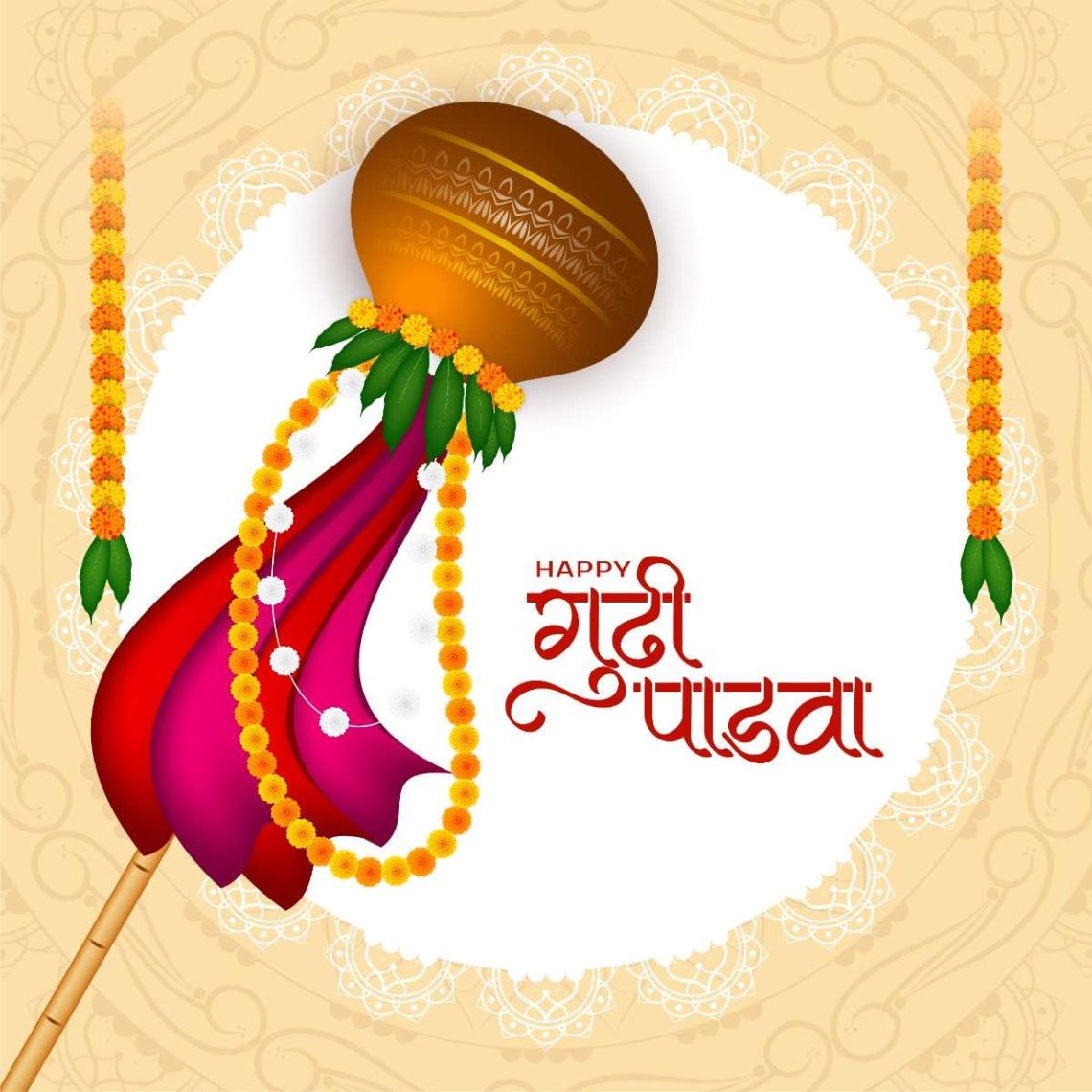
What is a Gudi?
The most distinctive tradition of the festival is raising the Gudi, which acts as a symbol of victory and prosperity.
A Gudi usually consists of:
- A long bamboo stick
- A bright silk cloth (often yellow or saffron)
- Neem leaves
- Sugar garlands
- A copper or silver pot placed upside down on top
The Gudi is placed outside the house, often near a window or balcony, and is believed to attract good fortune.
Gudi Padwa Traditions and Rituals
1. Cleaning and Decorating Homes
People clean their homes and decorate entrances with rangoli and mango leaves to welcome positive energy.
2. Raising the Gudi
The Gudi is raised early in the morning after a traditional prayer. Families gather together and perform a small puja before placing it outside their homes.
3. Eating Neem and Jagger
One of the most unique traditions is eating a mixture of neem leaves and jaggery.
This mixture represents the different flavors of life, sweetness and bitterness, and reminds people to accept both joy and challenges.
4. Wearing Traditional Clothes
Many people wear traditional attire such as:
- Nauvari saree for women
- Kurta or dhoti for men
The festival is also marked by community gatherings and cultural performances.
Traditional Foods Prepared on Gudi Padwa
Food plays an important role in the celebrations.
Some popular dishes include:
Puran Poli
A sweet flatbread stuffed with lentils and jaggery.
Shrikhand
A dessert made from sweetened yogurt flavored with saffron and cardamom.
Poori and Batata Bhaji
A festive meal often served during the celebrations.
Cultural Importance of Gudi Padwa
Beyond rituals and food, the festival reflects deeper cultural values.
It represents:
- Renewal and hope
- Gratitude for harvest and prosperity
- Community bonding
- Respect for traditions
Many people also consider the day favorable for buying gold, starting businesses, or making important life decisions.
Takeaway
Gudi Padwa 2026 falls on March 19, marking the beginning of a new year according to the Marathi calendar. The festival celebrates victory, prosperity, and new beginnings.
From raising the Gudi to preparing festive dishes and spending time with family, the day carries deep cultural meaning and continues to be celebrated with great enthusiasm across Maharashtra and beyond.

Khushi Jha
I am Khushi Jha, a proud alumna of Delhi University with a degree in History and Political Science. My fascination with the events that have shaped our world drives me every day. Currently, I am pursuing my Master’s in History, diving even deeper into global dynamics and the incredible heritage of India. I firmly believe that India's rich heritage deserves wider recognition. I strive to bring its stories to the forefront, ensuring they are celebrated and acknowledged on a global stage. I have written extensively across various niches, including fashion, health, lifestyle, real estate, hospitality, amongst others. In my free time, you’ll find me immersed in books, both fiction and non-fiction, or simply enjoying some much-needed rest.


You May Also Like
The Story Behind Kashmiri Pashmina: Craft, Culture and Identity
Independence Day: Lesser-Known Stories of India’s Freedom Movement