Why Do Gujarati Business Families Worship Their Account Books During Diwali?
For many people, Diwali means lighting diyas, exchanging sweets and gathering with family. In Gujarat, the festival also has a special place in the business calendar. On Diwali evening, many business families perform Chopda Pujan, a ritual in which new account books are worshipped before the start of a new financial and business year according to their tradition.
The word chopda refers to an account book or ledger. Although businesses now maintain most records digitally, the ritual continues in many families as a symbolic and religious practice.
What happens during Chopda Pujan?
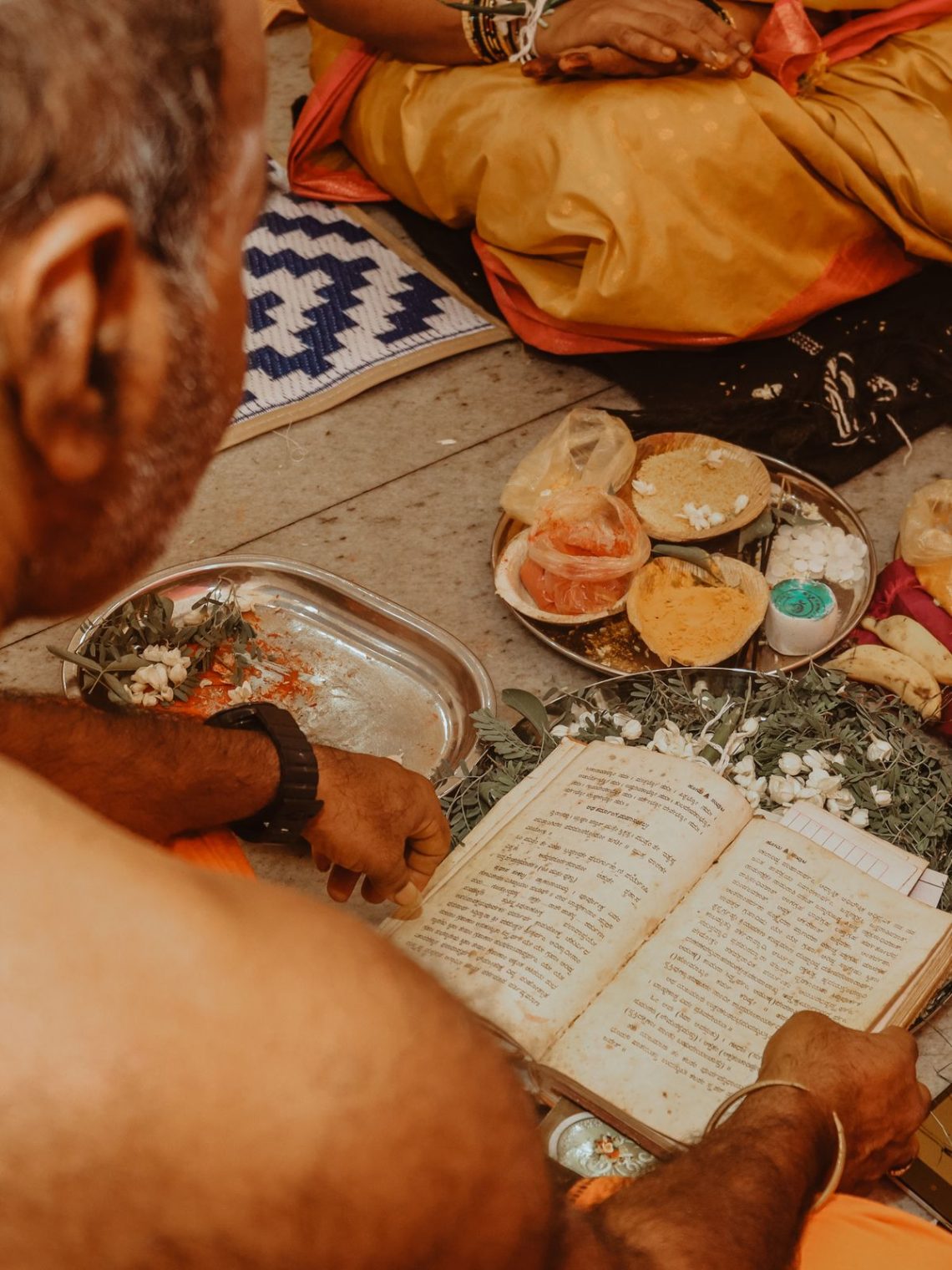
Before the puja, shops and offices are cleaned and decorated. New account books may be placed before the deities, along with flowers, lamps and other offerings. Families commonly worship Lakshmi, associated with prosperity, and Ganesha, associated with wisdom and the removal of obstacles. Saraswati, also known as Sharda, may be honoured for knowledge.
A swastik is often drawn on the first page of the ledger, along with auspicious words such as Shubh and Labh. These express the hope that the coming year will bring good fortune and gain.
Do businesses still use physical account books?
Many companies now use accounting software, spreadsheets and digital billing systems. Yet for some families, the physical ledger remains part of the ritual even if daily accounts are kept on a computer. The book is a symbol of a fresh beginning rather than necessarily the main record of business transactions.
A 2021 report by The Indian Express from Ahmedabad described traditional ledger makers preparing account books for Chopda Pujan and noted that the craft had faced declining demand as businesses shifted to computers. The report also documented how some families continued the ceremony despite digitalising their accounts.
When is Chopda Pujan in 2026?
Diwali falls on Sunday, November 8, 2026. Chopda Pujan is generally performed on Diwali evening, though the exact ritual time should be checked with the local panchang and family priest.
The tradition shows how business, faith and family customs can remain connected even as the tools of commerce change.

Khushi Jha
I am Khushi Jha, a proud alumna of Delhi University with a degree in History and Political Science. My fascination with the events that have shaped our world drives me every day. Currently, I am pursuing my Master’s in History, diving even deeper into global dynamics and the incredible heritage of India. I firmly believe that India's rich heritage deserves wider recognition. I strive to bring its stories to the forefront, ensuring they are celebrated and acknowledged on a global stage. I have written extensively across various niches, including fashion, health, lifestyle, real estate, hospitality, amongst others. In my free time, you’ll find me immersed in books, both fiction and non-fiction, or simply enjoying some much-needed rest.

You May Also Like

Spring Festivals of India: Celebrations that Welcome the Season of Renewal

Goa Tourism Breaks Records: 54.55 Lakh Tourists in Just 6 Months of 2025