UNESCO World Heritage Sites in India: Complete 2026 Guide to All 45 Sites
India’s heritage stretches across thousands of years of history, from prehistoric rock shelters and ancient Buddhist monasteries to monumental temples, historic cities, forts, forests and mountain landscapes. Some of these places are recognised internationally for their exceptional cultural or natural importance through the UNESCO World Heritage List.
As of October 2026, India has 45 UNESCO World Heritage properties: 37 cultural, 7 natural and 1 mixed. The latest addition is the Ancient Buddhist Site of Sarnath in Uttar Pradesh, inscribed in July 2026. These properties represent India’s architectural achievements, religious traditions, historic settlements, biodiversity and distinctive natural landscapes.
This guide brings together all 45 properties, organised by category, with their state or states, year of inscription and significance. It also explains how the World Heritage List differs from UNESCO’s Tentative List and how you can use these recognitions to plan heritage-focused trips across India.
UNESCO World Heritage Sites in India: Key Facts for 2026
| Detail | Information |
|---|---|
| Total World Heritage properties | 45 |
| Cultural properties | 37 |
| Natural properties | 7 |
| Mixed properties | 1 |
| Latest inscription | Ancient Buddhist Site of Sarnath |
| Year of latest inscription | 2026 |
| State of the latest addition | Uttar Pradesh |
| Official source | UNESCO World Heritage Centre |
UNESCO recognises properties that have Outstanding Universal Value: significance that extends beyond a single country and matters to humanity as a whole. Inscription also brings responsibilities for conservation, management and protecting the features that justify a property’s recognition.
India’s Newest UNESCO World Heritage Site in 2026: Sarnath
Site: Ancient Buddhist Site of Sarnath
State: Uttar Pradesh
Year of inscription: 2026
Category: Cultural
The Ancient Buddhist Site of Sarnath was inscribed on the UNESCO World Heritage List during the 48th session of the World Heritage Committee in July 2026. The site is associated with one of the most important events in Buddhist history: the Buddha’s first sermon after attaining enlightenment.
According to Buddhist tradition, the Buddha met his earliest disciples at Sarnath and began sharing the teachings that would develop into Buddhism. Over centuries, the area became an important centre of Buddhist learning and pilgrimage, supported by rulers, monastic communities and lay patrons.
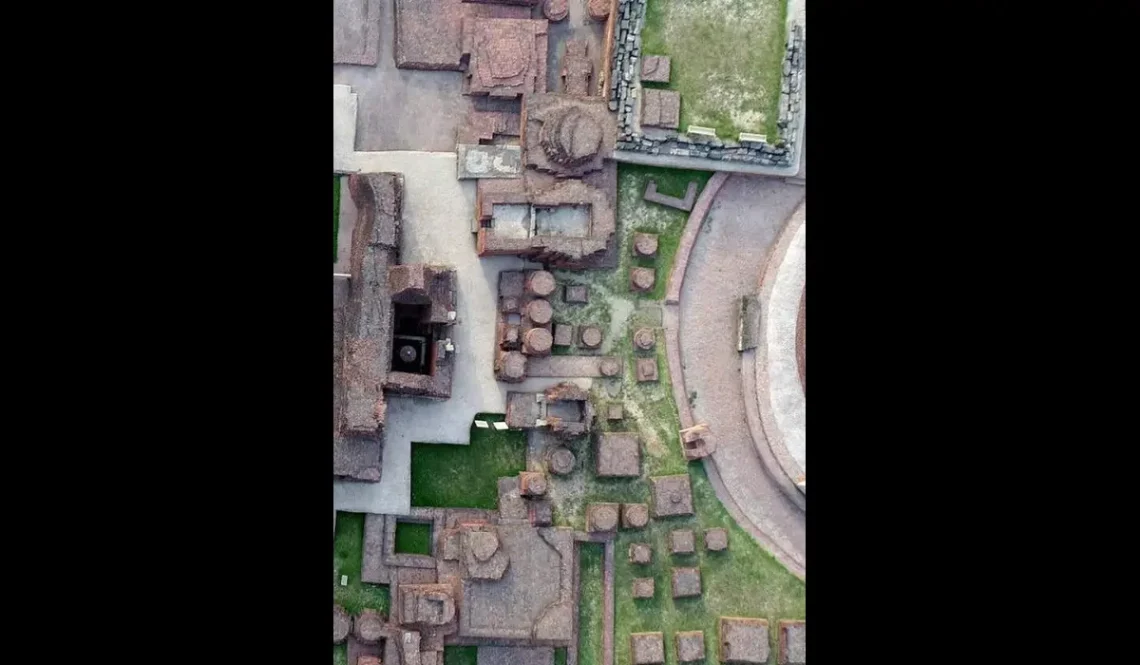
The archaeological remains include stupas, monasteries and other religious structures that reflect the site’s development over time. Although Sarnath declined as a major Buddhist centre around the 12th century CE, it remains an important destination for Buddhist pilgrims and people interested in the history of ancient India.
Its inscription brings India’s total to 45 World Heritage properties.
Why Sarnath matters: The site’s significance lies in its association with the origins and spread of Buddhism, as well as the archaeological evidence of a major religious and learning centre that developed over many centuries.
Read the official UNESCO entry for Sarnath.
Cultural UNESCO World Heritage Sites in India
Cultural properties include monuments, archaeological remains, historic cities, religious structures and landscapes shaped by human activity. India’s cultural list reflects the development of architecture, religious traditions, urban planning, artistic expression and political history across different periods.
The following table covers all 37 cultural properties on UNESCO’s current India list.
Complete list of 37 cultural properties
| World Heritage property | State or Union Territory | Year inscribed | Significance |
|---|---|---|---|
| Agra Fort | Uttar Pradesh | 1983 | A major Mughal fort complex associated with imperial power, palaces and defensive architecture. |
| Ajanta Caves | Maharashtra | 1983 | Rock-cut Buddhist caves renowned for murals, sculptures and evidence of early Buddhist artistic traditions. |
| Ancient Buddhist Site of Sarnath | Uttar Pradesh | 2026 | The sacred site associated with the Buddha’s first sermon and the growth of an important Buddhist centre. |
| Archaeological Site of Nalanda Mahavihara at Nalanda, Bihar | Bihar | 2016 | Remains of a major ancient monastic and educational institution that attracted scholars from across Asia. |
| Buddhist Monuments at Sanchi | Madhya Pradesh | 1989 | Stupas, monasteries and carved gateways that document the development of Buddhist art and architecture. |
| Champaner-Pavagadh Archaeological Park | Gujarat | 2004 | A historic landscape containing fortifications, religious buildings, palaces and archaeological remains. |
| Chhatrapati Shivaji Terminus (formerly Victoria Terminus) | Maharashtra | 2004 | A major railway terminus combining Victorian Gothic Revival architecture with Indian design influences. |
| Churches and Convents of Goa | Goa | 1986 | Historic religious buildings that reflect Portuguese colonial influence and the spread of Christianity in Asia. |
| Dholavira: a Harappan City | Gujarat | 2021 | An important Indus Valley Civilisation settlement known for urban planning, water management and archaeological remains. |
| Elephanta Caves | Maharashtra | 1987 | Rock-cut cave temples with monumental sculptures, especially those associated with Shiva. |
| Ellora Caves | Maharashtra | 1983 | A remarkable complex of Buddhist, Hindu and Jain monuments excavated into rock. |
| Fatehpur Sikri | Uttar Pradesh | 1986 | A planned Mughal imperial city known for its palaces, courtyards, mosques and distinctive architecture. |
| Great Living Chola Temples | Tamil Nadu | 1987, extended 2004 | A group of monumental temples illustrating Chola-era temple architecture, sculpture and religious traditions. |
| Group of Monuments at Hampi | Karnataka | 1986 | The remains of the Vijayanagara capital, including temples, royal structures and an extensive historic landscape. |
| Group of Monuments at Mahabalipuram | Tamil Nadu | 1984 | Pallava-era rock-cut temples, monolithic monuments and stone reliefs along the Coromandel Coast. |
| Group of Monuments at Pattadakal | Karnataka | 1987 | A collection of temples demonstrating the interaction of northern and southern Indian architectural styles. |
| Hill Forts of Rajasthan | Rajasthan | 2013 | A serial property of six forts that illustrate Rajput military architecture, settlements and regional political power. |
| Historic City of Ahmadabad | Gujarat | 2017 | A historic urban centre known for its traditional houses, neighbourhoods, religious buildings and distinctive city fabric. |
| Humayun’s Tomb, Delhi | Delhi | 1993 | A Mughal garden-tomb that influenced later imperial architecture, including the development of the Taj Mahal’s design tradition. |
| Jaipur City, Rajasthan | Rajasthan | 2019 | An eighteenth-century planned city recognised for its urban layout, commercial streets and architectural character. |
| Kakatiya Rudreshwara (Ramappa) Temple, Telangana | Telangana | 2021 | A thirteenth-century temple noted for its sculptural decoration, engineering and Kakatiya architectural style. |
| Khajuraho Group of Monuments | Madhya Pradesh | 1986 | Temples renowned for their architecture, sculpture and depictions of religious, social and cultural life. |
| Mahabodhi Temple Complex at Bodh Gaya | Bihar | 2002 | One of Buddhism’s most sacred places, associated with the Buddha’s enlightenment. |
| Maratha Military Landscapes of India | Maharashtra and Tamil Nadu | 2025 | A serial property of Maratha forts illustrating military strategy, defensive systems and adaptation to varied terrain. |
| Moidams – the Mound-Burial System of the Ahom Dynasty | Assam | 2024 | Royal burial mounds associated with Ahom funerary traditions and the region’s political history. |
| Mountain Railways of India | West Bengal, Tamil Nadu and Himachal Pradesh | 1999, extended 2005 and 2008 | Historic mountain railways demonstrating engineering solutions for operating rail lines through challenging terrain. |
| Qutb Minar and its Monuments, Delhi | Delhi | 1993 | A historic architectural complex illustrating the early development of Indo-Islamic architecture in India. |
| Rani-ki-Vav (the Queen’s Stepwell) at Patan, Gujarat | Gujarat | 2014 | An elaborately decorated stepwell that combines water engineering with intricate stone sculpture. |
| Red Fort Complex | Delhi | 2007 | A major Mughal fort and palace complex associated with imperial architecture and India’s modern national history. |
| Rock Shelters of Bhimbetka | Madhya Pradesh | 2003 | Rock shelters containing prehistoric paintings and evidence of human occupation across long periods. |
| Sacred Ensembles of the Hoysalas | Karnataka | 2023 | Hoysala temples distinguished by intricate stone carving, sculptural detail and distinctive architectural planning. |
| Santiniketan | West Bengal | 2023 | A cultural and educational landscape associated with Rabindranath Tagore and an influential approach to learning and the arts. |
| Sun Temple, Konârak | Odisha | 1984 | A monumental thirteenth-century temple designed around the symbolism of Surya’s chariot. |
| Taj Mahal | Uttar Pradesh | 1983 | A marble mausoleum celebrated for its architectural composition, craftsmanship and Mughal garden setting. |
| The Architectural Work of Le Corbusier, an Outstanding Contribution to the Modern Movement | Chandigarh | 2016 | The Capitol Complex at Chandigarh forms India’s component of a transnational property representing modern architectural ideas. |
| The Jantar Mantar, Jaipur | Rajasthan | 2010 | An astronomical observatory containing monumental instruments designed to observe celestial movements and measure time. |
| Victorian Gothic and Art Deco Ensembles of Mumbai | Maharashtra | 2018 | Historic civic and residential architecture illustrating the development of Mumbai’s urban landscape in the nineteenth and twentieth centuries. |
Note on inscription years: UNESCO may list more than one year for a property where an extension or additional component was approved. The years above follow the UNESCO World Heritage Centre’s current country listing.
What India’s cultural properties tell us
India’s cultural World Heritage properties cover far more than famous monuments. Together, they illustrate several broad themes:
- Ancient civilisations and archaeology: Dholavira, Bhimbetka, Nalanda and Sarnath preserve evidence of early settlement, intellectual life and religious development.
- Religious architecture: Sanchi, Mahabodhi, Khajuraho, Ellora, Hampi and the Great Living Chola Temples reveal the diversity of India’s sacred architecture.
- Historic cities and political power: Agra Fort, Fatehpur Sikri, the Red Fort, Jaipur and Ahmedabad show how rulers and communities shaped urban spaces.
- Engineering and science: The Mountain Railways, Rani-ki-Vav and Jantar Mantar demonstrate technical knowledge applied to transportation, water management and astronomy.
- Modern and living cultural landscapes: Santiniketan, Chandigarh’s Capitol Complex and the Maratha Military Landscapes show that heritage includes educational ideals, modern architecture and regional military systems as well as ancient monuments.
Natural UNESCO World Heritage Sites in India
Natural properties are recognised for exceptional natural features, ecological processes, biodiversity or habitats important for the conservation of species. India’s seven natural properties include forests, mountain ecosystems, wetlands and a globally significant mangrove landscape.
Complete list of 7 natural properties
| World Heritage property | State or Union Territory | Year inscribed | Significance |
|---|---|---|---|
| Great Himalayan National Park Conservation Area | Himachal Pradesh | 2014 | Protects Himalayan ecosystems, alpine meadows, forests and habitat for threatened wildlife. |
| Kaziranga National Park | Assam | 1985 | Globally important grassland and wetland habitat, particularly associated with the greater one-horned rhinoceros. |
| Keoladeo National Park | Rajasthan | 1985 | A wetland reserve recognised for its importance to resident and migratory bird populations. |
| Manas Wildlife Sanctuary | Assam | 1985 | A biodiverse landscape of grasslands and forests supporting threatened species and important wildlife populations. |
| Nanda Devi and Valley of Flowers National Parks | Uttarakhand | 1988, extended 2005 | A Himalayan landscape known for high-mountain ecosystems, distinctive flora and exceptional natural scenery. |
| Sundarbans National Park | West Bengal | 1987 | Part of the world’s largest mangrove forest region, known for its tidal ecosystem and Bengal tiger habitat. |
| Western Ghats | Maharashtra, Goa, Karnataka, Kerala and Tamil Nadu | 2012 | A globally significant mountain chain with exceptional biodiversity, endemic species and important ecological processes. |
Why these natural sites matter
India’s natural World Heritage properties protect landscapes that support biodiversity and ecological processes. Their significance extends beyond scenic value: wetlands support birds, forests provide habitats for threatened species, and mountain ecosystems contain specialised plants and animals adapted to particular environmental conditions.
These areas also face conservation pressures. Habitat fragmentation, invasive species, climate change, tourism impacts and conflicts between human activity and wildlife can affect their long-term protection. World Heritage recognition highlights the importance of maintaining the ecological features that make each property globally significant.
Visitors should follow park regulations, use authorised guides where required and avoid activities that disturb wildlife or damage sensitive habitats.
Mixed UNESCO World Heritage Site in India
A mixed property meets criteria for both cultural and natural heritage. India has one such property on the World Heritage List.
| World Heritage property | State or Union Territory | Year inscribed | Significance |
|---|---|---|---|
| Khangchendzonga National Park | Sikkim | 2016 | Combines exceptional Himalayan biodiversity and landscapes with cultural and spiritual associations important to local communities. |
Khangchendzonga National Park is significant for its high-mountain environments, glaciers, forests and wildlife, as well as its deep cultural and spiritual connections. The area is important in local traditions and belief systems, making it an example of how natural landscapes and human culture can be closely connected.
Its mixed status distinguishes it from properties recognised solely for cultural monuments or natural features.
UNESCO World Heritage Site vs UNESCO Tentative List: What Is the Difference?
Not every Indian place associated with UNESCO has already become a World Heritage Site. A key distinction is whether a property has been inscribed on the World Heritage List or is included on a country’s Tentative List.
| World Heritage List | Tentative List |
|---|---|
| Contains properties formally inscribed by the World Heritage Committee. | Contains properties a country intends to consider for future nomination. |
| Inscription follows an evaluation and decision process. | Inclusion is an early step; it does not guarantee inscription. |
| The property is recognised as having Outstanding Universal Value under the Convention. | The property has not yet received World Heritage status through that process. |
| India has 45 properties on the list as of October 2026. | UNESCO’s India country page lists 69 properties on the Tentative List at the time of this guide. |
A property on the Tentative List may later be nominated, evaluated and inscribed, but it can also remain on the list for years or have its nomination deferred. Tentative status should therefore not be described as UNESCO World Heritage status.
For example, India’s Tentative List includes sites such as the temples at Bishnupur, the historic ensemble of Orchha, the temples of Kanchipuram and the living root bridge cultural landscapes of Meghalaya. Their inclusion indicates that India has identified them for possible future consideration; it does not mean they are already inscribed.
For the latest status, check the official UNESCO India country page and its Tentative List section.
How Are Sites Selected for the UNESCO World Heritage List?
World Heritage inscription is based on a property’s Outstanding Universal Value and its ability to meet at least one of UNESCO’s selection criteria. Cultural properties may be recognised for their artistic, architectural, historical or cultural significance. Natural properties may be recognised for natural phenomena, geological features, ecological processes or biodiversity.
The process generally involves several stages:
- Identification: A country identifies a property that may have Outstanding Universal Value.
- Tentative List: The property is included in the country’s Tentative List as a possible future nomination.
- Nomination: The country prepares a detailed nomination, including documentation, boundaries, conservation arrangements and justification for inscription.
- Evaluation: The nomination is assessed through UNESCO’s advisory process.
- Committee decision: The World Heritage Committee decides whether to inscribe the property, defer the decision or refer it back for additional information.
Inscription is not simply an award for age or popularity. A property must demonstrate international significance and meet the requirements for protection and management.
Read more about the process on the UNESCO World Heritage Centre website.
Planning a Heritage Trip Around India’s UNESCO Sites
India’s World Heritage properties are spread across different regions, climates and landscapes. Instead of trying to visit many sites in one trip, build an itinerary around a region or a shared historical theme.
For Mughal architecture and historic cities
Consider Agra Fort, the Taj Mahal and Fatehpur Sikri in Uttar Pradesh. Delhi’s Humayun’s Tomb, Qutb Minar and Red Fort Complex offer additional perspectives on the development of imperial architecture.
For Buddhist heritage
Sarnath and the Mahabodhi Temple Complex at Bodh Gaya are important destinations for understanding the life of the Buddha and the spread of Buddhism. Sanchi and Nalanda offer further insight into Buddhist art, monastic life and learning.
For temple architecture
Khajuraho, the Great Living Chola Temples, Mahabalipuram, Pattadakal and the Sacred Ensembles of the Hoysalas illustrate different regional traditions of temple building and sculpture.
For forts and historic settlements
Explore the Hill Forts of Rajasthan, Hampi, Jaipur, Ahmedabad and Dholavira to understand the connections between architecture, urban life, trade, political power and the landscape.
For wildlife and natural landscapes
Kaziranga, Manas, Keoladeo and the Sundarbans offer different ecosystems and wildlife experiences. Mountain destinations such as the Great Himalayan National Park and Nanda Devi and Valley of Flowers National Parks require particular attention to seasons, access restrictions and conservation rules.
Before travelling: Verify opening times, ticketing, permits and access arrangements through the relevant authorities. World Heritage status does not mean that every component is open to visitors at all times.
Frequently Asked Questions (FAQs)
How many UNESCO World Heritage Sites are there in India in 2026?
India has 45 World Heritage properties as of October 2026: 37 cultural, 7 natural and 1 mixed. The Ancient Buddhist Site of Sarnath became the 45th property when it was inscribed in July 2026.
Which is the newest UNESCO World Heritage Site in India?
The Ancient Buddhist Site of Sarnath in Uttar Pradesh is India’s newest World Heritage property. It was inscribed in 2026 and is associated with the Buddha’s first sermon.
Which Indian state has the most UNESCO World Heritage Sites?
The answer depends on how properties that cross state boundaries are counted and whether the question refers to individual sites or World Heritage properties. Some properties are serial or transnational, so a simple state-by-state ranking can be misleading. UNESCO’s official property records are the best source for checking each property’s location.
What is the difference between a cultural and a natural World Heritage Site?
Cultural properties are recognised for human history, architecture, archaeology or cultural landscapes. Natural properties are recognised for features such as biodiversity, ecological processes, geological formations or exceptional natural environments. A mixed property meets criteria for both cultural and natural heritage.
Are UNESCO Tentative List sites official World Heritage Sites?
No. Tentative List inclusion indicates that a country may consider a property for future nomination. The property only becomes a World Heritage Site after the World Heritage Committee formally inscribes it.
Can I visit all UNESCO World Heritage Sites in India?
Many properties welcome visitors, but access varies. Some require permits, have restricted areas or are managed for conservation rather than tourism. Remote mountain parks and ecologically sensitive sites may need more planning than urban monuments.
How often is India’s UNESCO list updated?
The list can change when the World Heritage Committee inscribes new properties, approves extensions or modifies existing property boundaries. This guide should be updated after relevant decisions by the Committee.
Takeaway
India’s 45 UNESCO World Heritage properties offer a broad view of the country’s cultural and natural history. From the archaeological remains of Sarnath and Nalanda to the temples of southern India, the forts of Rajasthan, the historic cities of the north and the forests of the northeast, the list reflects the diversity of India’s heritage.
World Heritage recognition also comes with a responsibility to protect these places. Their value lies not only in their importance to history or tourism, but in the knowledge, landscapes, artistic traditions and ecosystems they preserve.
Use this guide as a starting point for exploring India’s World Heritage properties, and consult UNESCO’s official records whenever you need the latest inscription status or details.
(Featured image taken from https://whc.unesco.org/)

Khushi Jha
I am Khushi Jha, a proud alumna of Delhi University with a degree in History and Political Science. My fascination with the events that have shaped our world drives me every day. Currently, I am pursuing my Master’s in History, diving even deeper into global dynamics and the incredible heritage of India. I firmly believe that India's rich heritage deserves wider recognition. I strive to bring its stories to the forefront, ensuring they are celebrated and acknowledged on a global stage. I have written extensively across various niches, including fashion, health, lifestyle, real estate, hospitality, amongst others. In my free time, you’ll find me immersed in books, both fiction and non-fiction, or simply enjoying some much-needed rest.


You May Also Like

Ligiripukhuri in Assam: Why This Ahom-Era Pond Must Be Saved

10 Must-Know Facts About the Constitution of India